Right off the bat, it is clear that Joe knows much more than just how to photograph. He’s a narrative writer, plain and simple, with masterful stories about photography to tell. He starts with an interpersonal revelation of the camera manual and how he (and many others) neglects to open it.
I use aperture priority often, but still find use for manual. It’s nice having the ability to control everything for max creativity, it’s important to me that I can be creative on the fly and make every photograph inherently my own. Aperture priority has its uses though. For outdoor sports it’s almost a must – anytime there’s an unruly cloud in the sky, it seems as though it will hover over you at the most inopportune moment, then multiply to take a once-clear sky and punch it full of holes. Aperture priority is like the safety net of the camera. It helps you stick every shot in almost any light.
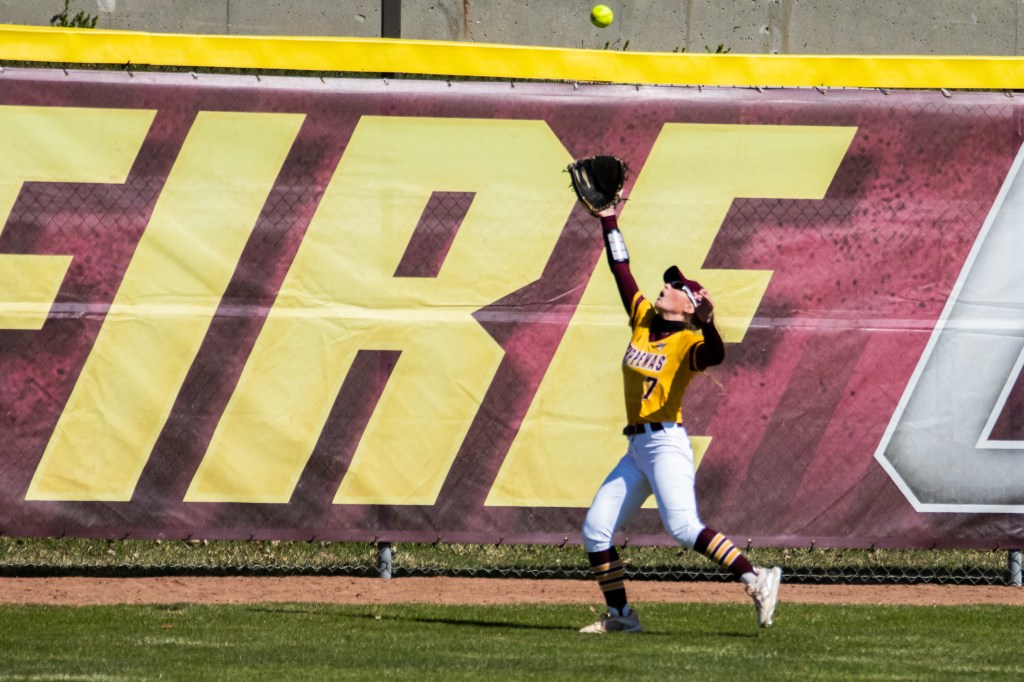
The histogram is a useful tool, as Joe would corroborate, and it’s useful for me once in a week or so, when I forget to change my settings before hastily jumping on-scene at an assignment. There are times when I go from shooting the stars at 100k ISO to being flashbanged by my digital viewfinder at a gorgeously sunny baseball park. I’ll use my histogram before looking through the viewfinder just to remind me what I was shooting the night before, but not much else. The best tool on a camera are the hands controlling it.
“Think like the camera,” says Joe McNally. “Veer into close orbit with Ice Planet 255, where there is no sustainable pixel life.” I love messing with exposure compensation. On my R5, I can change EV on my lens as I focus on what I choose to, and the camera will adjust accordingly. This is an insanely useful tool, as I have the ability to set my camera on AV, drop the EVs to -2 and get deep, dark, mystery, or the opposite at +2 for a shiny, white, aesthetic veneer. And all of that in the blink of an eye, the turn of a wheel on a lens with an AI focus on a subject that I can see focused on by way of little green boxes in the viewfinder, and all the while seeing the environment of light change before me in what can only be considered a miracle of technology.
“Apologies to right-eyed shooters. You’re screwed.” I love that line. Ben Suddendorf is left-eyed. When I asked him how he managed, his answer was likely much the same as what Joe McNally’s would be. He just does it. Sure, you might have to change up your grip a bit sometimes, but that’s just the reality of shooting left-eyed. I just thought that tidbit was interesting. When Joe describes his shoot in “The Swamp” for a commercial shoot, I am proud to say that I understand everything that he said. A couple years ago I would’ve likely pretended that I knew so as to emulate a strong photographer, but I know that emulating strength is actually the inverse of the reality.
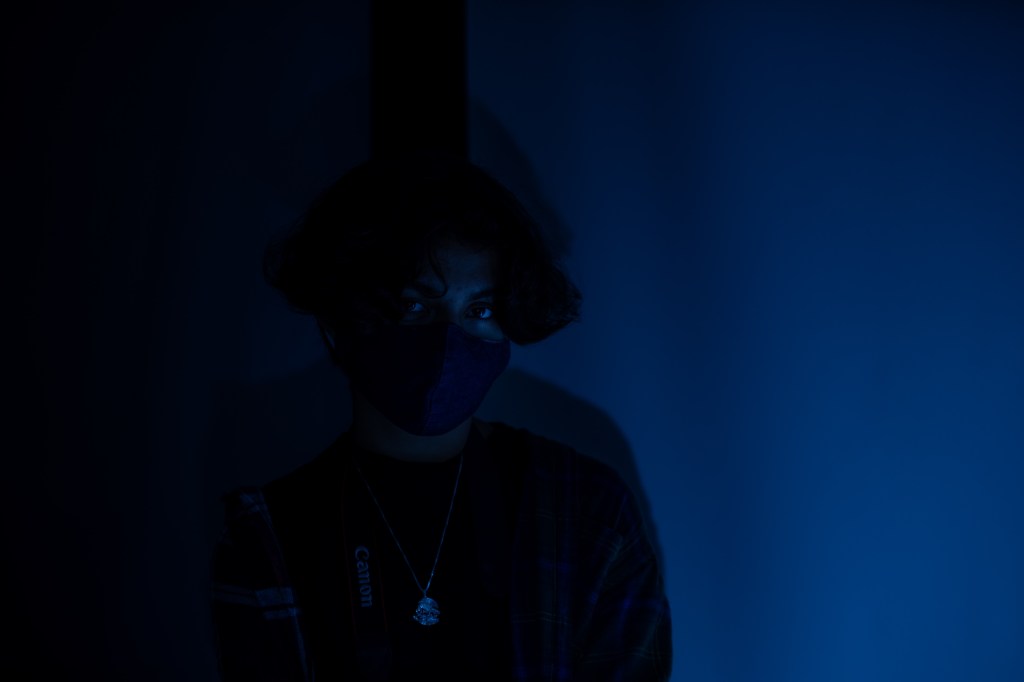
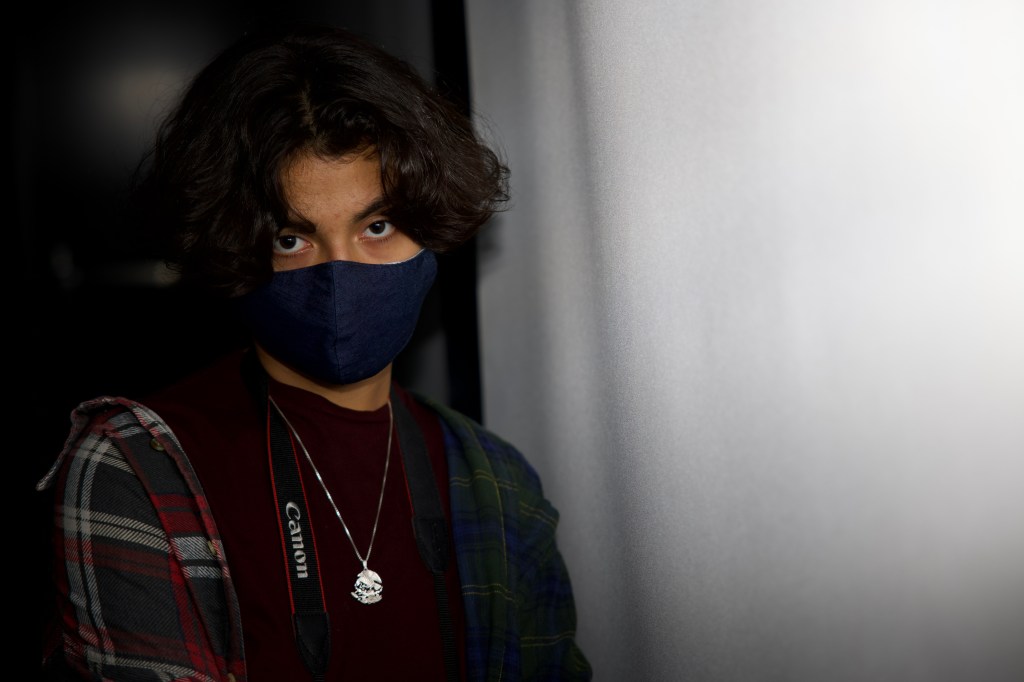
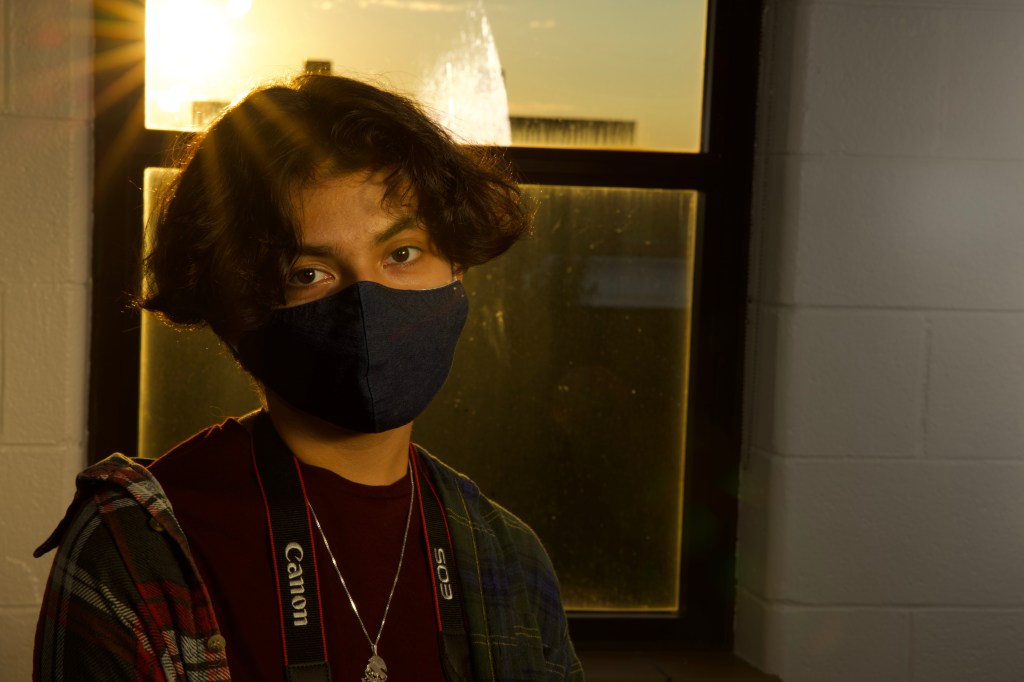


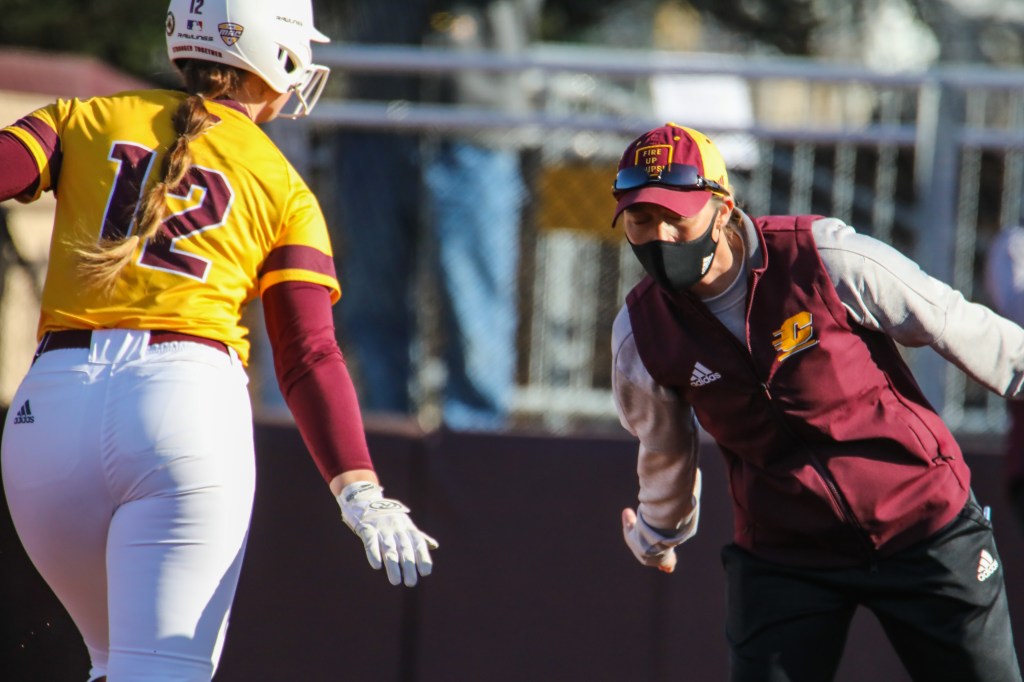
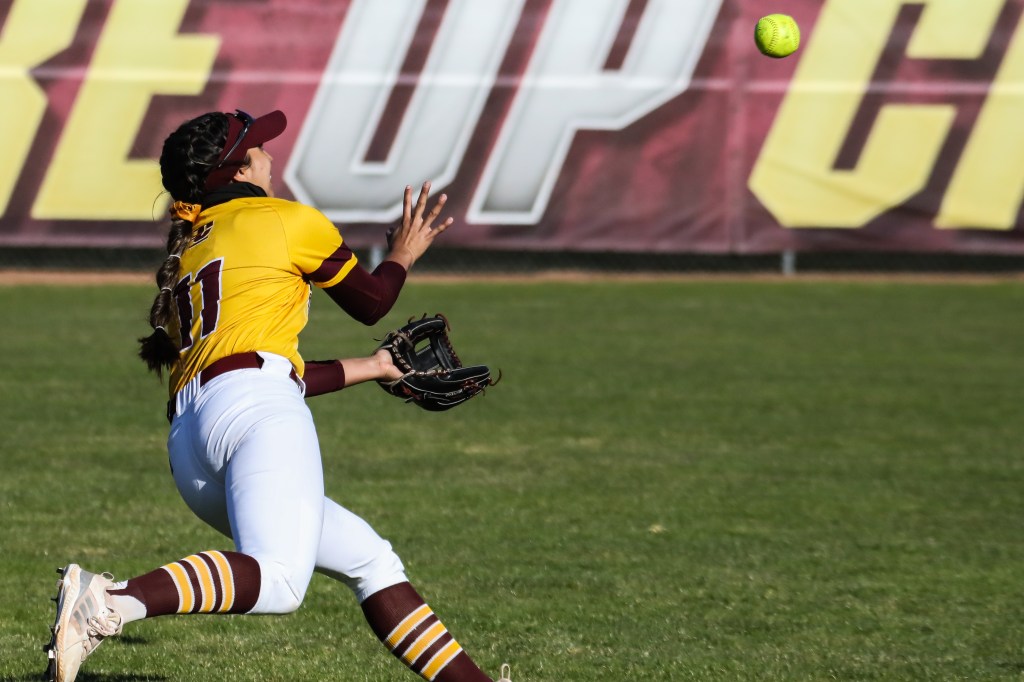
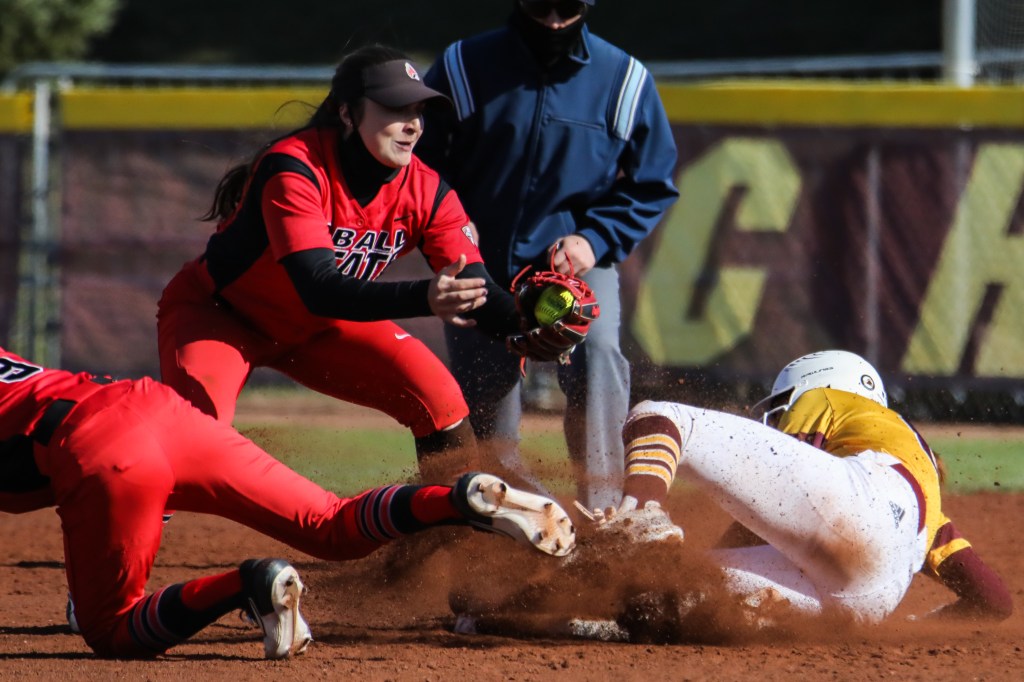
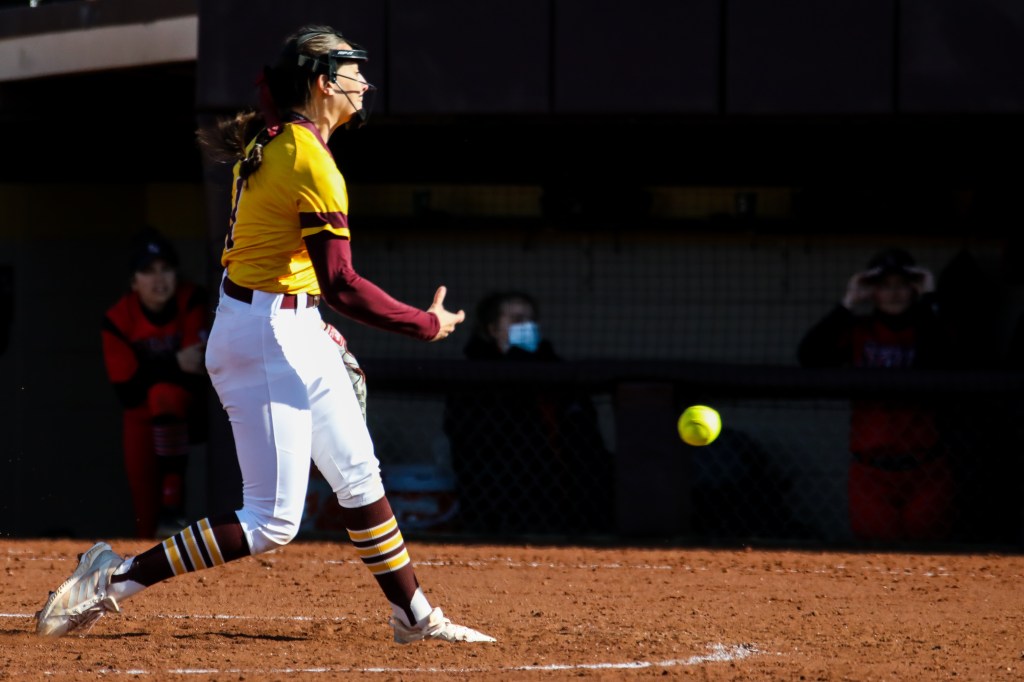
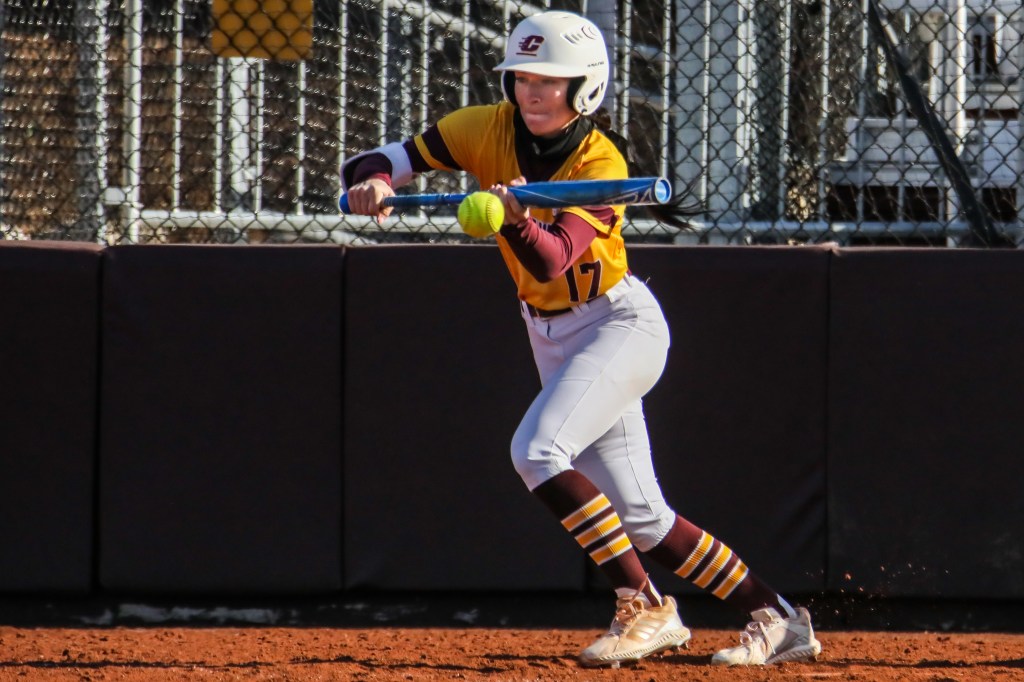
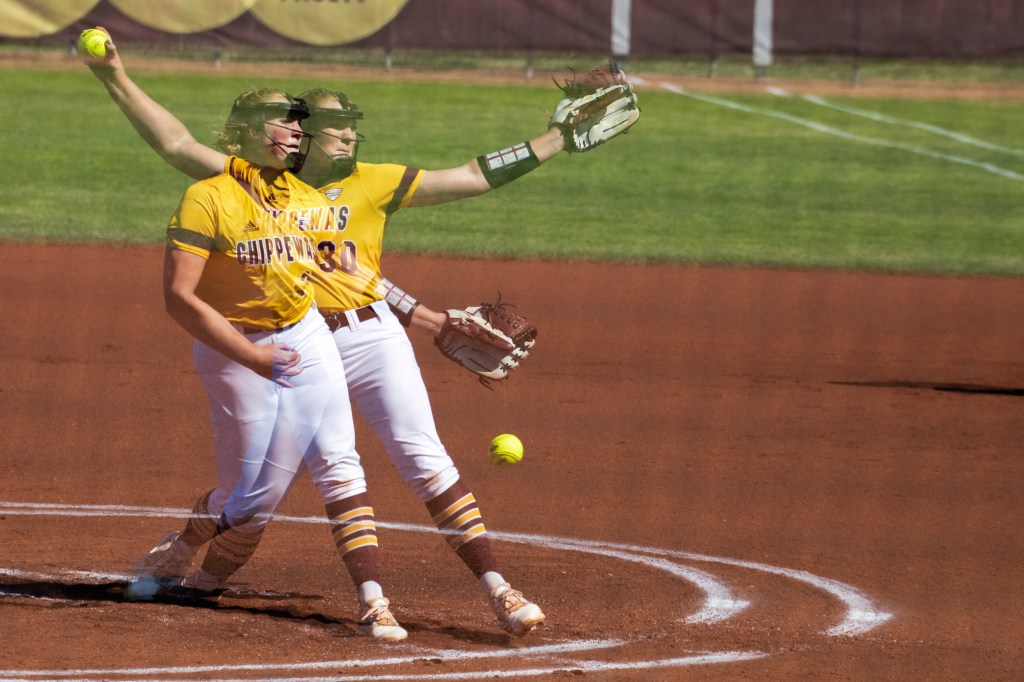
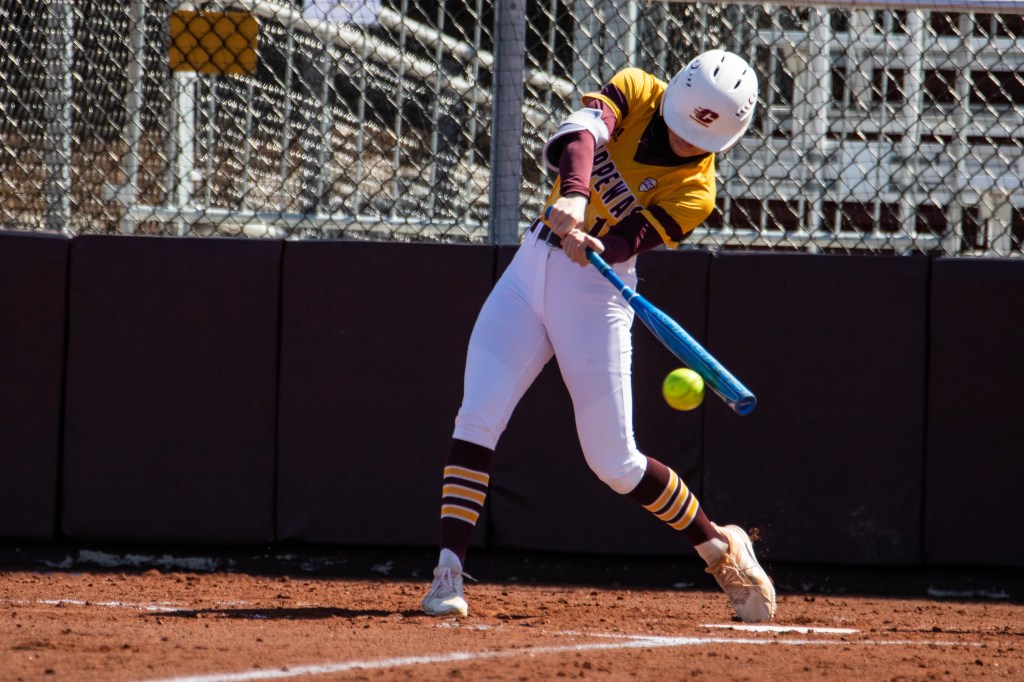
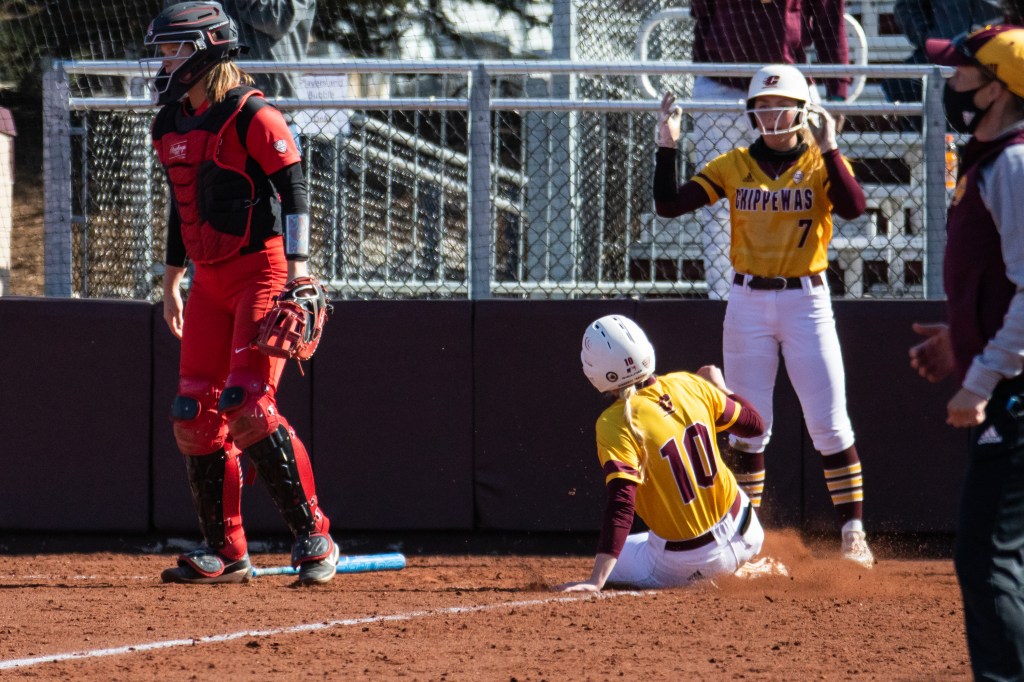













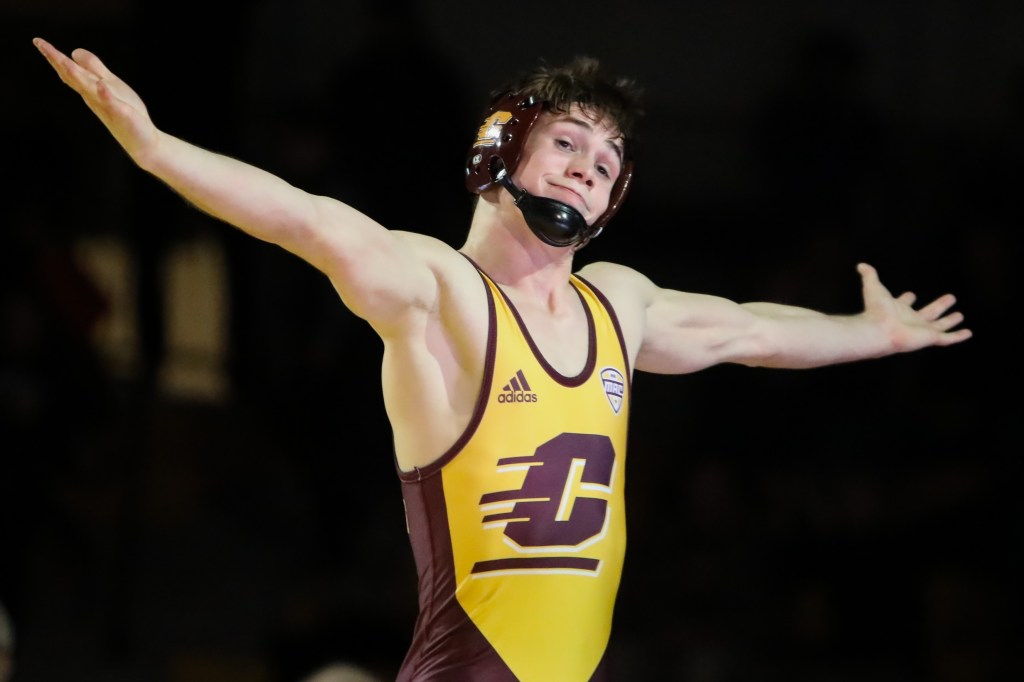
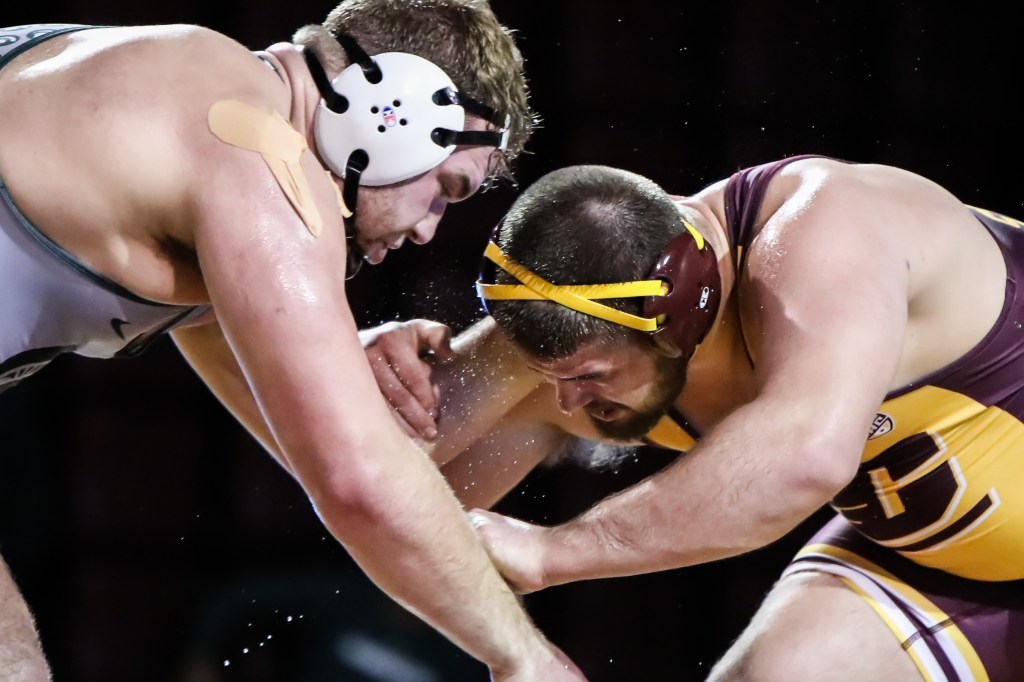
 Drew Travis Photography