Thought Piece 1

Right off the bat, it is clear that Joe knows much more than just how to photograph. He’s a narrative writer, plain and simple, with masterful stories about photography to tell. He starts with an interpersonal revelation of the camera manual and how he (and many others) neglects to open it.

I use aperture priority often, but still find use for manual. It’s nice having the ability to control everything for max creativity, it’s important to me that I can be creative on the fly and make every photograph inherently my own. Aperture priority has its uses though. For outdoor sports it’s almost a must – anytime there’s an unruly cloud in the sky, it seems as though it will hover over you at the most inopportune moment, then multiply to take a once-clear sky and punch it full of holes. Aperture priority is like the safety net of the camera. It helps you stick every shot in almost any light. 

The histogram is a useful tool, as Joe would corroborate, and it’s useful for me once in a week or so, when I forget to change my settings before hastily jumping on-scene at an assignment. There are times when I go from shooting the stars at 100k ISO to being flashbanged by my digital viewfinder at a gorgeously sunny baseball park. I’ll use my histogram before looking through the viewfinder just to remind me what I was shooting the night before, but not much else. The best tool on a camera are the hands controlling it.

“Think like the camera,” says Joe McNally. “Veer into close orbit with Ice Planet 255, where there is no sustainable pixel life.” I love messing with exposure compensation. On my R5, I can change EV on my lens as I focus on what I choose to, and the camera will adjust accordingly. This is an insanely useful tool, as I have the ability to set my camera on AV, drop the EVs to -2 and get deep, dark, mystery, or the opposite at +2 for a shiny, white, aesthetic veneer. And all of that in the blink of an eye, the turn of a wheel on a lens with an AI focus on a subject that I can see focused on by way of little green boxes in the viewfinder, and all the while seeing the environment of light change before me in what can only be considered a miracle of technology.

“Apologies to right-eyed shooters. You’re screwed.” I love that line. Ben Suddendorf is left-eyed. When I asked him how he managed, his answer was likely much the same as what Joe McNally’s would be. He just does it. Sure, you might have to change up your grip a bit sometimes, but that’s just the reality of shooting left-eyed. I just thought that tidbit was interesting. When Joe describes his shoot in “The Swamp” for a commercial shoot, I am proud to say that I understand everything that he said. A couple years ago I would’ve likely pretended that I knew so as to emulate a strong photographer, but I know that emulating strength is actually the inverse of the reality.
Bounce Flash Exercise

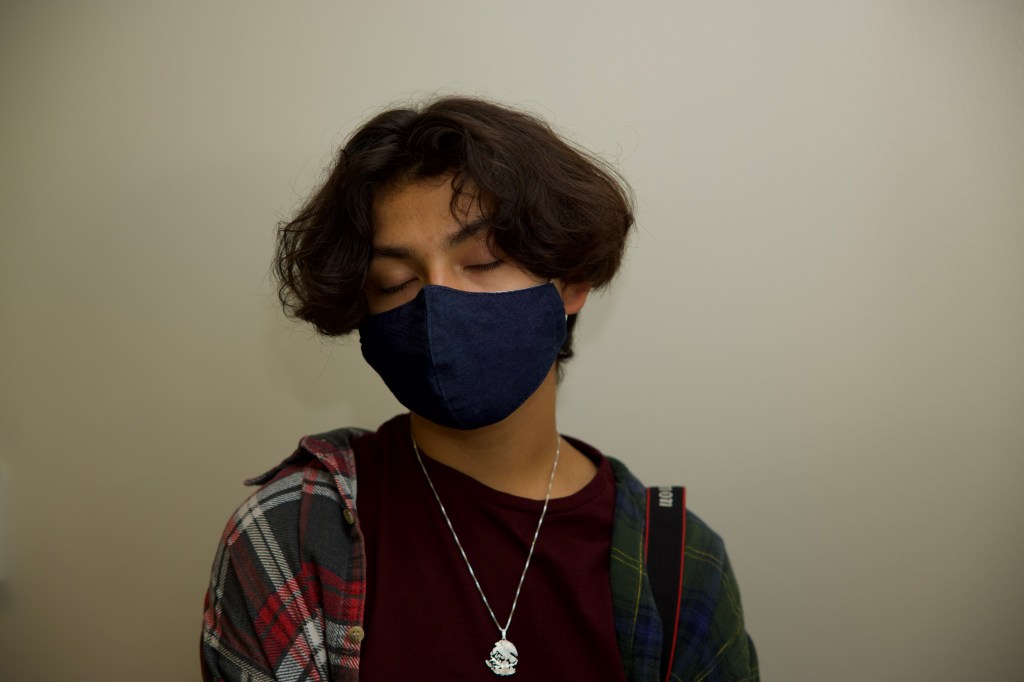
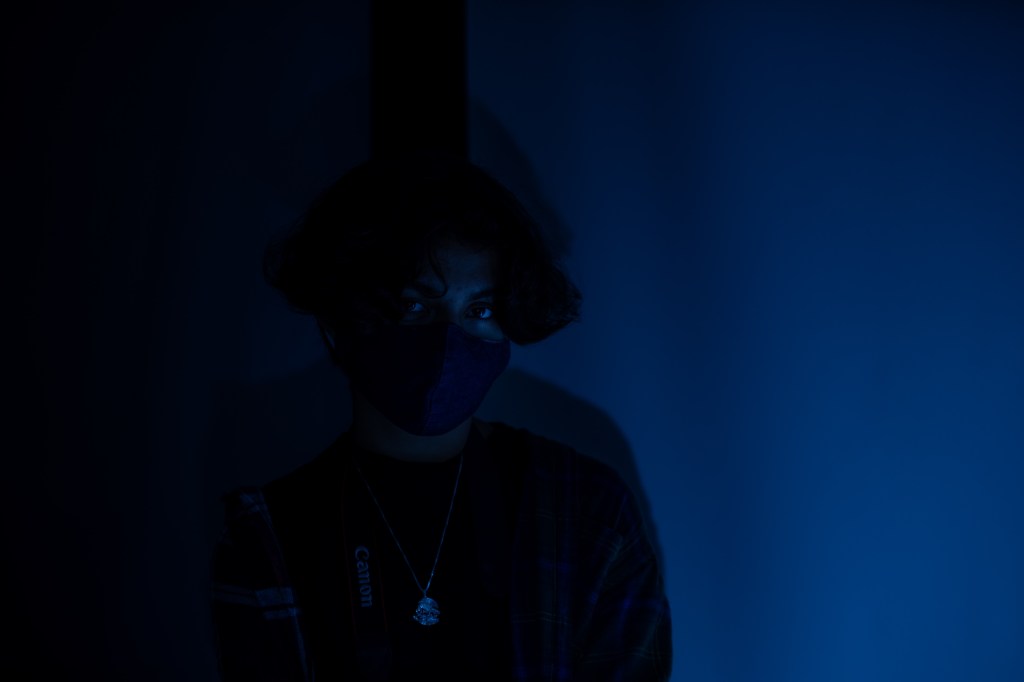
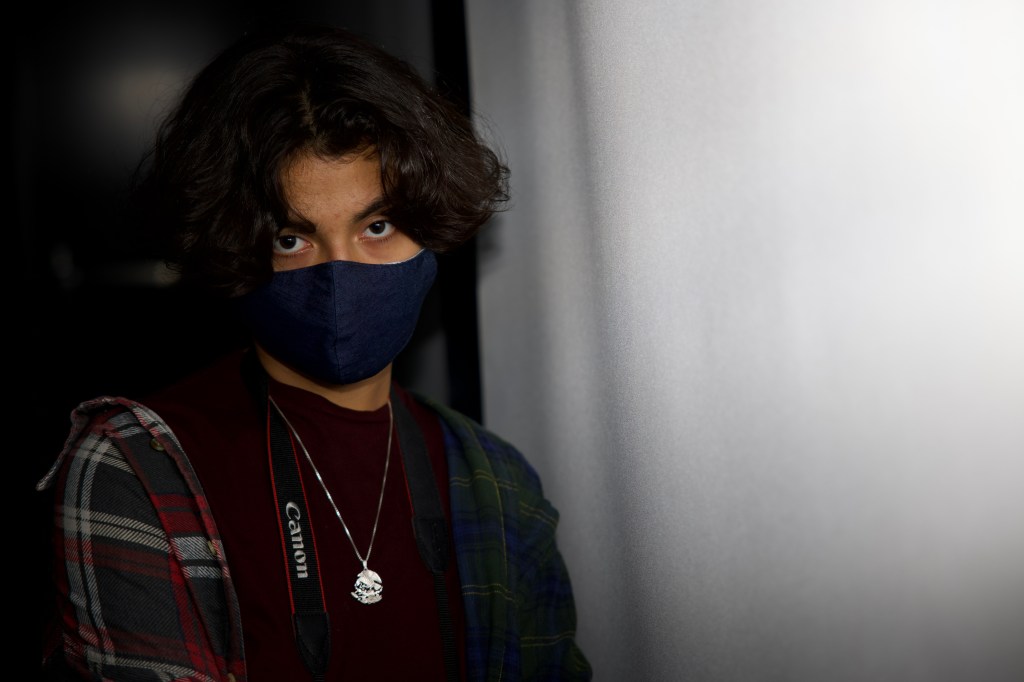
1/100, f2.8, ISO 100 at 70mm shot upside-down with the vertical grip on my 5D, bounced the flash off the floor at 1/2 power.
1/250, f2.8, ISO 100 at 70mm shot on my R5 with a bounce off the near wall at 1/4 power.
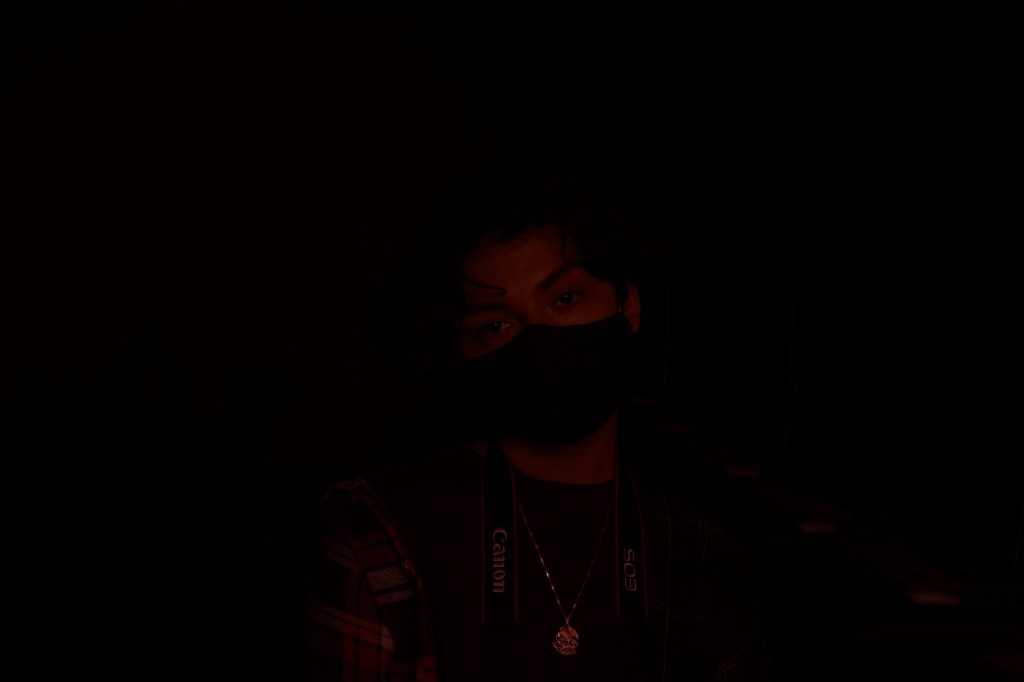
1/100, f16, ISO 100 shot at 70mm on my R5 with a bounce off of the wall behind me, off of the near ceiling (which is red) and then down onto the subject. Should’ve dropped the aperture down a stop or two, I was going for shadows but this is too dark.
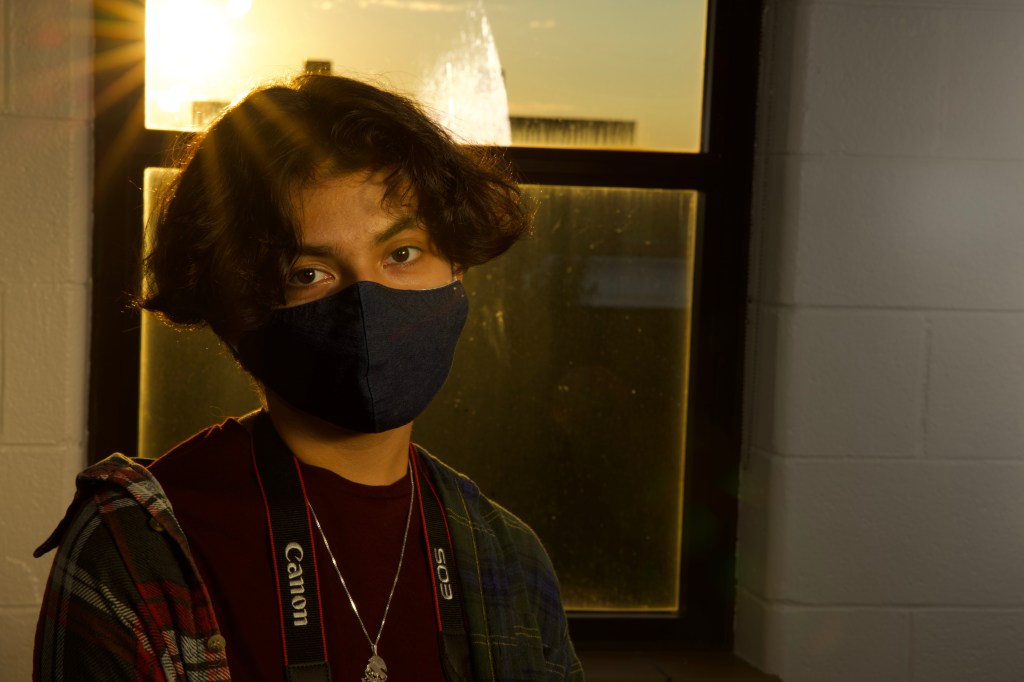
1/100, f16, ISO 100 at 70mm on my R5 with the flash bounced off of a diffuser camera right. Tried to (within the confines of Moore Hall) shoot a sunset with halo lighting and use a fill flash.
1/160, f2.8, ISO 100 at 70mm on my R5 with a top diffuser.

Police Killings in Michigan, 2015-2021

Police killings have remained constant for years, at least since 2015 since the Washington Post began documenting all of the killings that take place. While white Americans take up a much higher percentage of America’s (and Michigan’s) total population, blacks are killed at a rate that vastly outpaces all others when accounting for population.

If the past several weeks have taught us anything, it would be that the senseless violence, seemingly directed at African Americans as well as Hispanic Americans, outweighs the potential for probability being the denominator. With these disproportionate killings it should be noted that black Americans are killed at a rate more than double that of white Americans.

The following representations of police shootings in Michigan portray that of a widespread issue.

This map is a depiction of all of the locations in Michigan that police shootings took place. As often times there were multiple shootings in one location, only a single marker was used.

Building a House of Iron

Daniel Smalla, an employee of Mountain Town Fitness in Mt. Pleasant, is also a competitive bodybuilder in his spare time. Before, after and sometimes during his shift at the gym, one can see him busting out extra sets or practicing his poses for competition. Here is a glimpse into his passion.


While lifting, I happened across Dan in the stretching room (as it’s affectionately referred to) as he was flexing into the mirror. Knowing that there are many bodybuilders at Mountain Town, I asked if he was indeed also one. So after a few hours of simply talking to him (in person and via text), I decided that a video would be feasible. That was really all the research required, as I’m very into fitness and kinesiology so my research was really done beforehand.

The journalistic value of the story is really inherent in the subjective predisposition towards fitness of the viewer – I think it could be an interesting feature story (if I had more time to flesh it out), yet at the same time I believe it serves its purpose as a human interest.

So why I chose Dan I believe was already mostly answered but I can elaborate: he’s a genuinely nice person. Approaching an absolutely shredded man flexing into a mirror might be a little intimidating for most, but for whatever reason Dan is just very personable. The location, however, was obvious.

I shot everything Monday, Mar. 29.

To shoot the interview, I set my Canon 5D mk. IV on a tripod with my phone as external mic on the desk just off camera to pick up better audio (as I don’t have a mic myself). Mostly I used a 70-200mm lens for shooting, but a couple shots I substituted a 50mm prime. To edit, I struggled my way through the overly user-friendly iMovie.

The editing is honestly really boring, I just got all my shots together and decided on the order (just like a photo story), and took the audio from there that would tie in to the vibes of the video. I occasionally cut to Nat audio of the gym and him lifting to really get a feel for the space.

Challenges were many – I really prefer photo as truly I see the world (or what it could be) in stills. I won’t get into what I could’ve done with this project from a photo perspective, but again my challenges are video in general. Without using a tripod for everything and fumbling with manual focus, being very un-adaptable to the unfolding situation, the video then becomes shaky, choppy, or just plain boring. Instead of where photography is the art of subtraction – creatively concluding and deducing the nonessential parts (or essentially left-out parts) of a still, video is the art of inclusion – where it’s necessary to include every detail possible to give viewers a sense of being.

I wish I would’ve had more time to follow up with him and perhaps do a shoot at home, or perhaps of his crazy diet, or even something that isn’t so linear. But for a 2 minute video, I believe this works.

Effort-wise, I’d say I tried really hard to make it’s as artistic and high-quality as I could. I really wanted this to turn out great, and I honestly don’t think it’s too far off. Sure, I see a couple things I’d have done differently in hindsight, but I spent a whole workday with this man sacrificing my pay for his story and this class. I’m not too familiar with video production, but I don’t think that’s too bad. All-in-all, I think I did a bang-up job.

YC #2

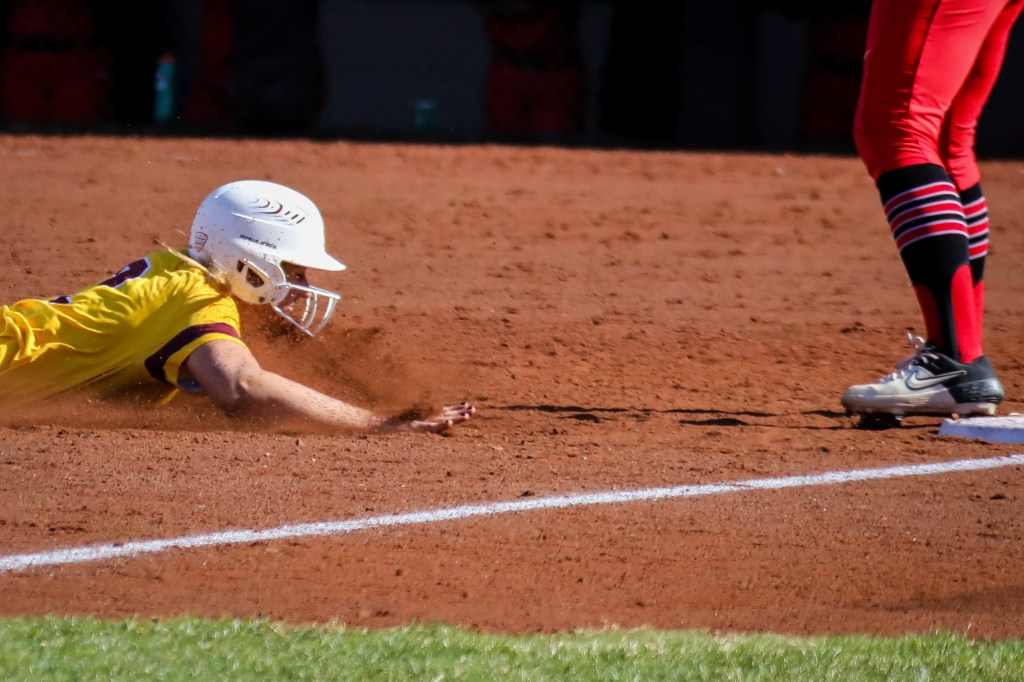
1.Hacienda Heights, Calif. sophomore Emily Bracamonte slides into third against Ball State at Margo Jonker Stadium, Friday, Apr. 2.
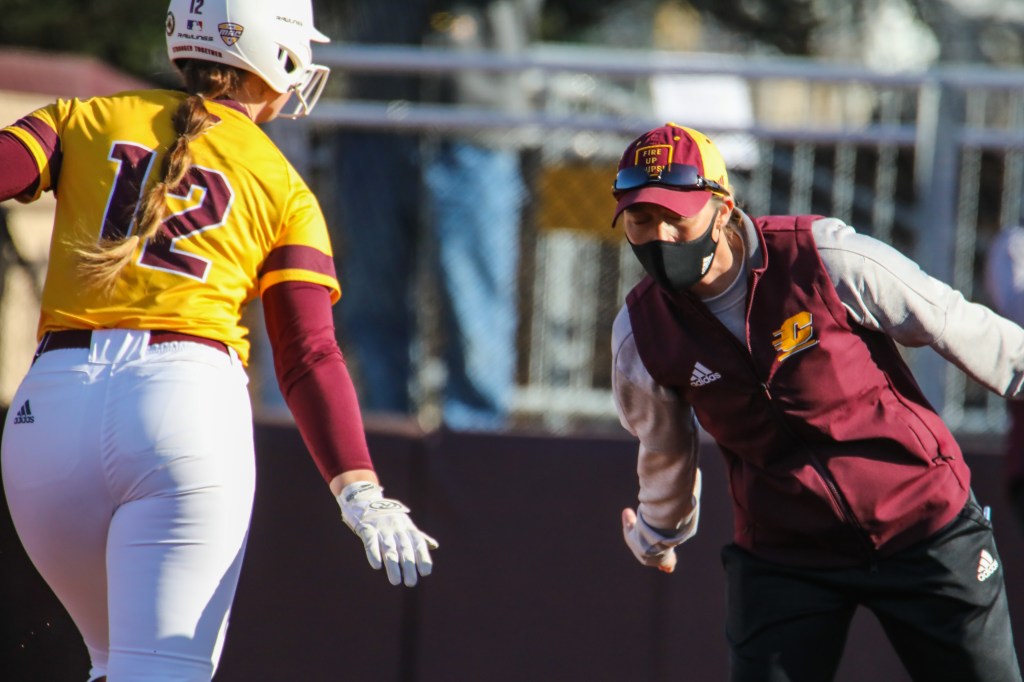
2. Albuquerque, N.M. junior Shannon Stein trots around the bases and gets a high five from her coach after a late-game solo shot against Ball State, Apr. 2.
3. La Mirada, Calif. sophomore Gisele Acuna makes a sliding play on an outfield hit against Ball State, Apr. 2.
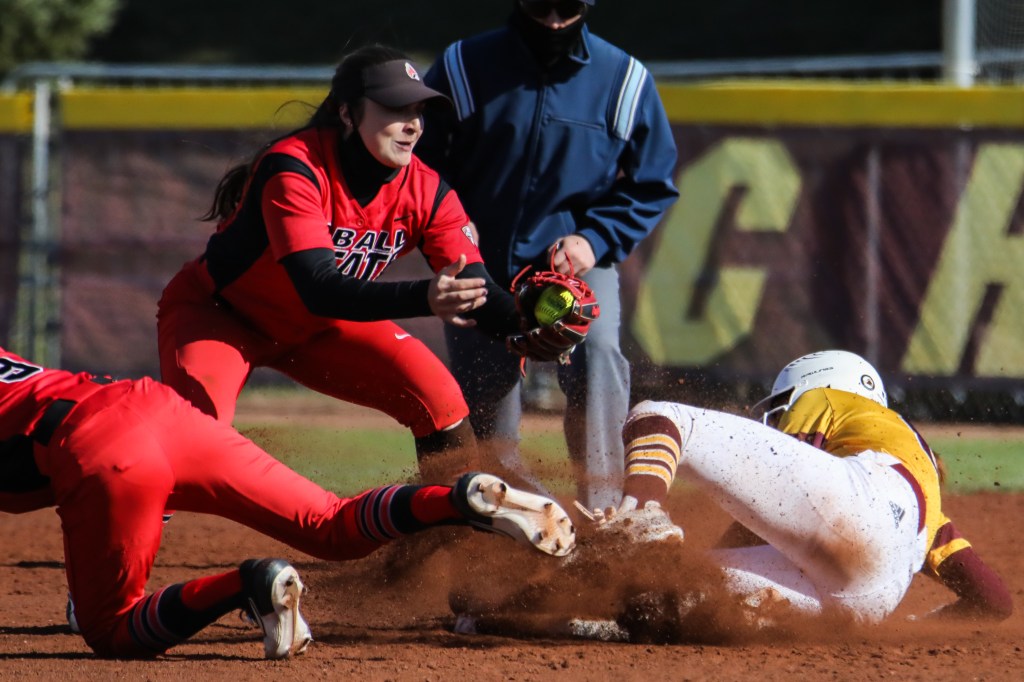
4. Harrison Township junior Samantha Mills slides into second on a steal against Ball State, Apr. 2.
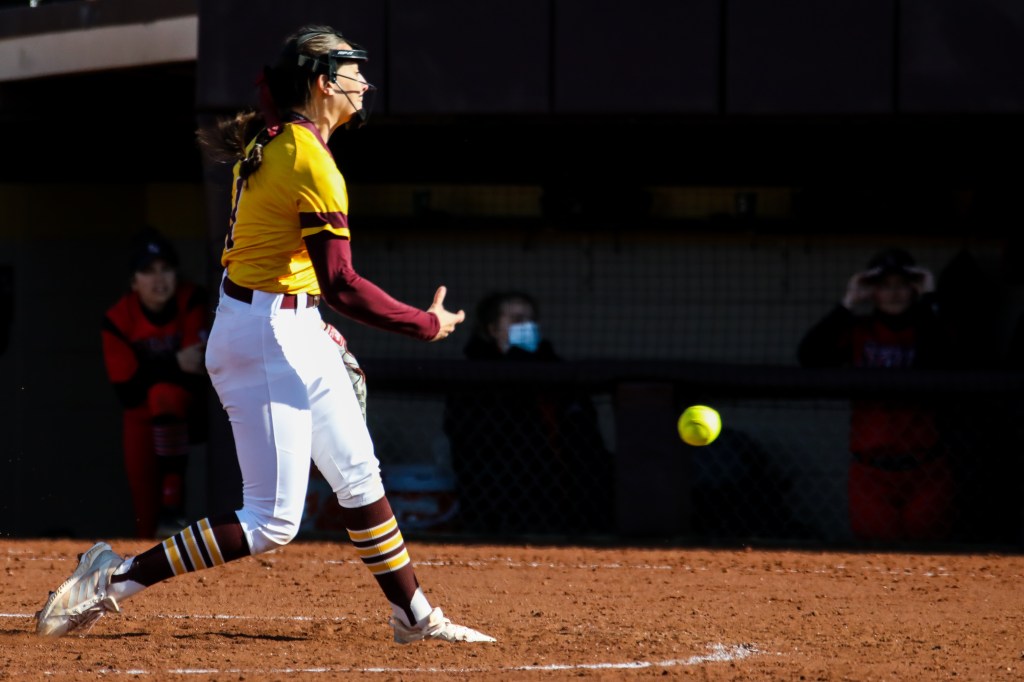
5. Oxford junior Kaitlyn Bean tosses the ball towards the plate against Ball State, Apr. 2.
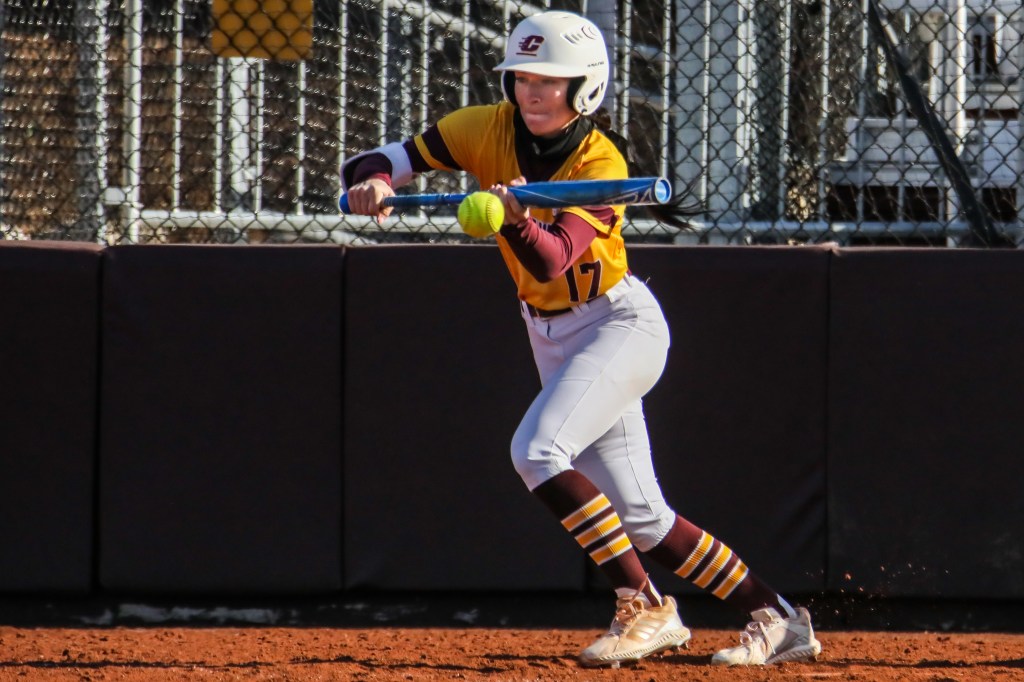
6. Vicksburg senior Shaidan Knapp bunts the ball against Ball State, Apr. 2.
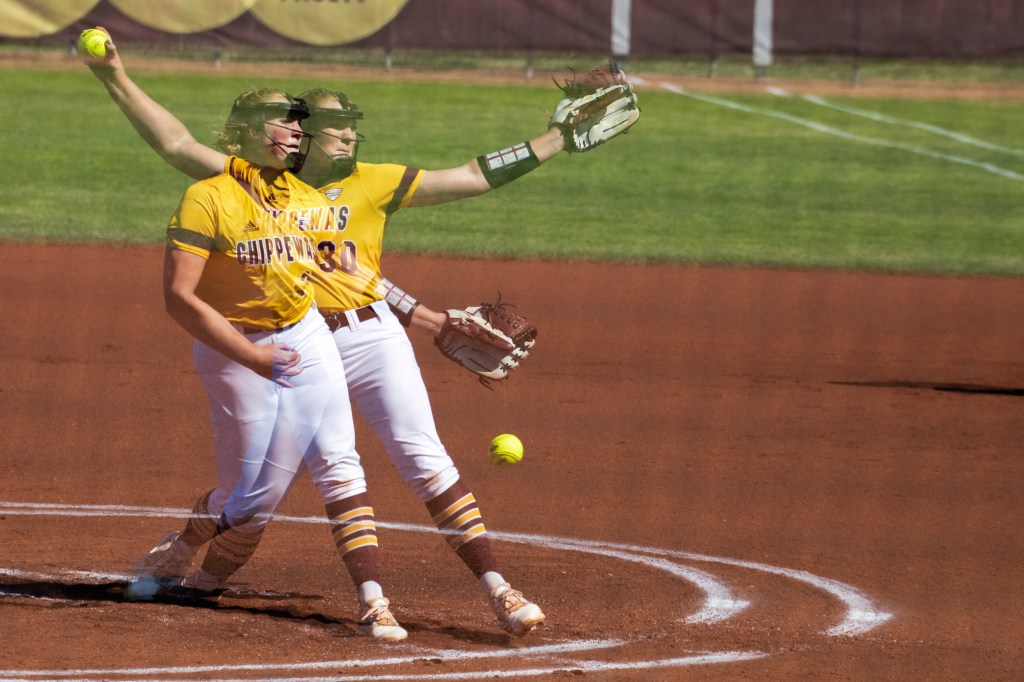
7. An in-camera double exposure of Eaton Rapids freshman Grace Lehto tossing the ball towards home, Apr. 2.
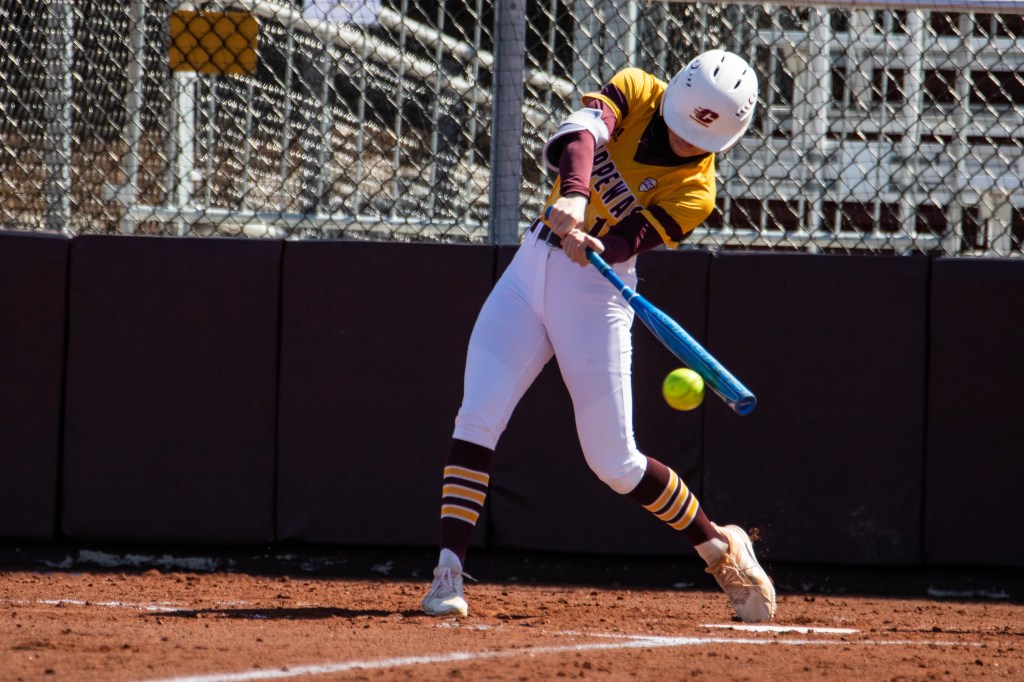
8. Davis Junction, Ill. junior Stephanie Anderson makes contact with the pitch against Ball State, Apr. 2.
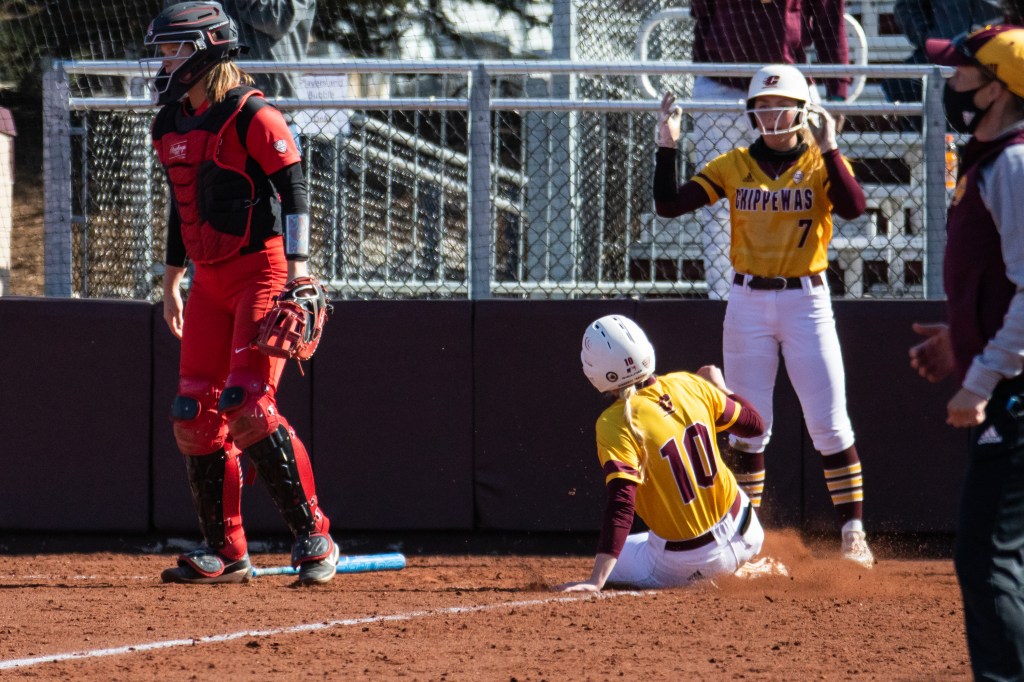
9. Davis Junction, Ill. junior Stephanie Anderson slides into home as her teammate, Clarkston freshman Abbey Tolmie, relays to her that she could cross standing up, Apr. 2.

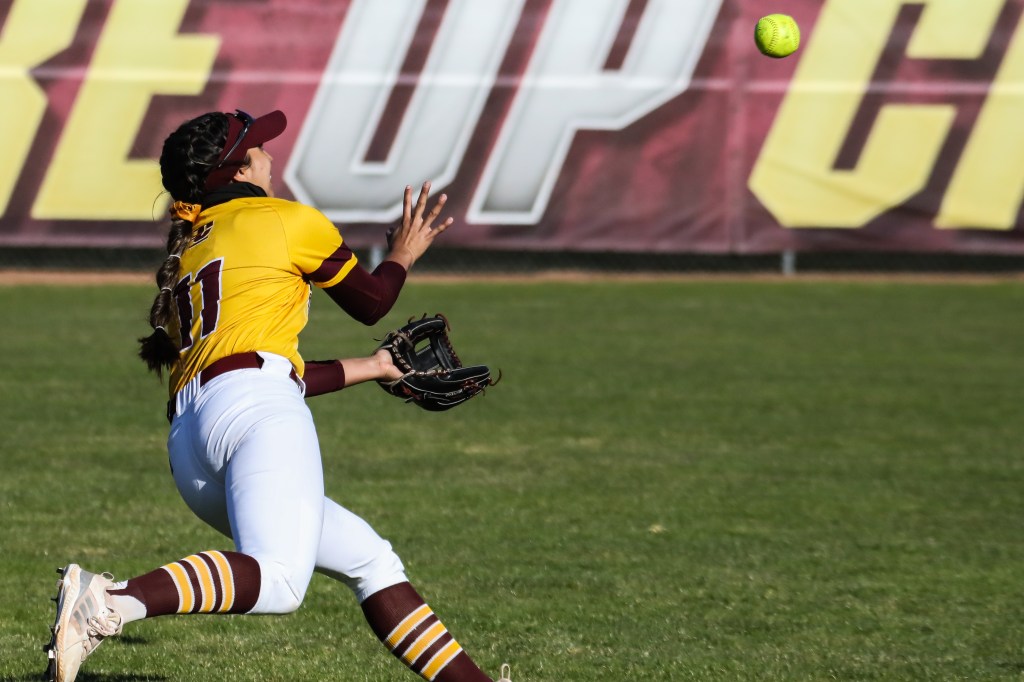
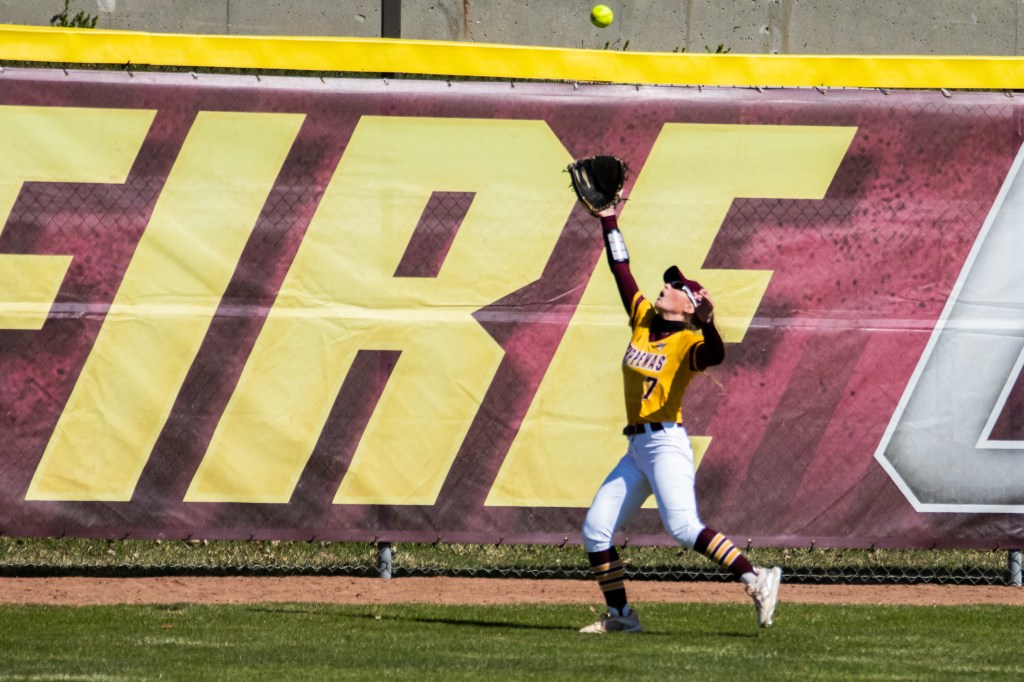
10. Clarkston freshman Abbey Tolmie tracks down a deep fly ball against Ball State, Apr. 2.


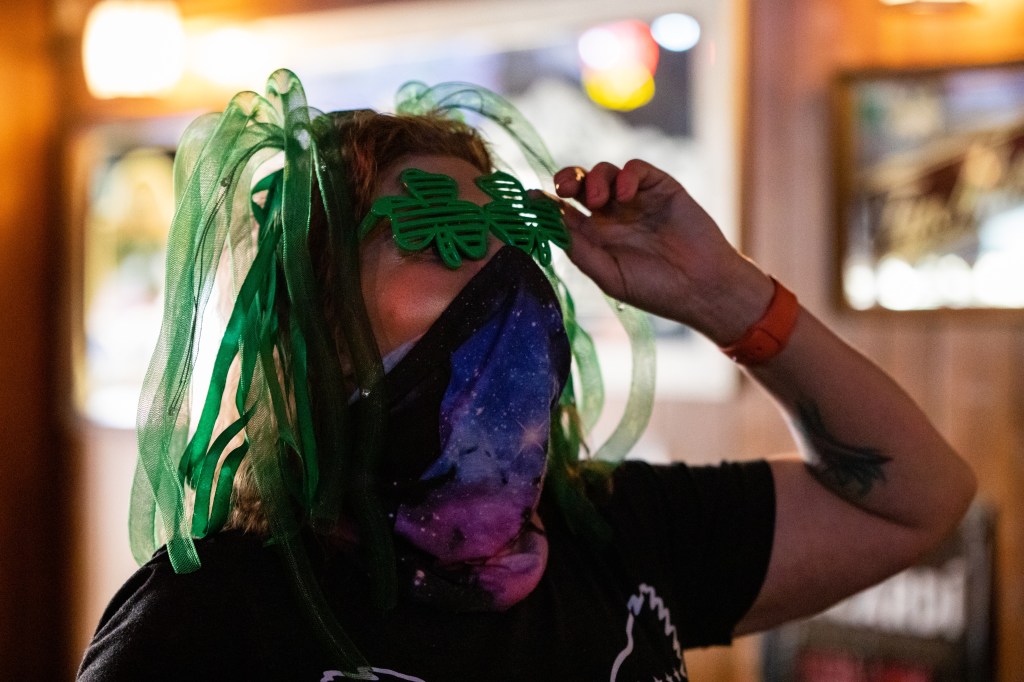
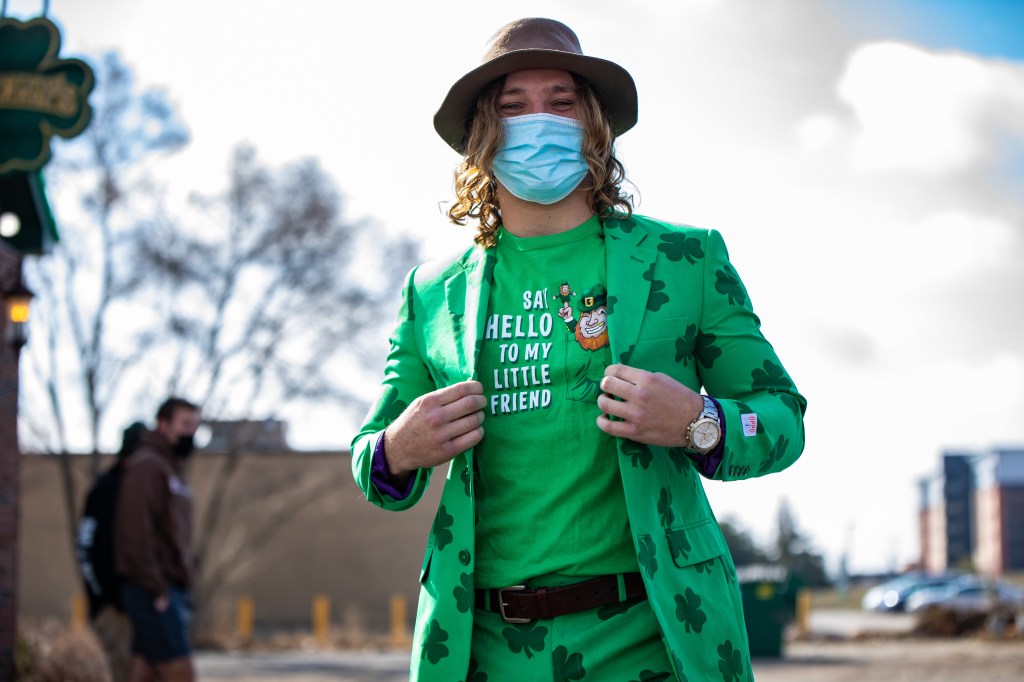
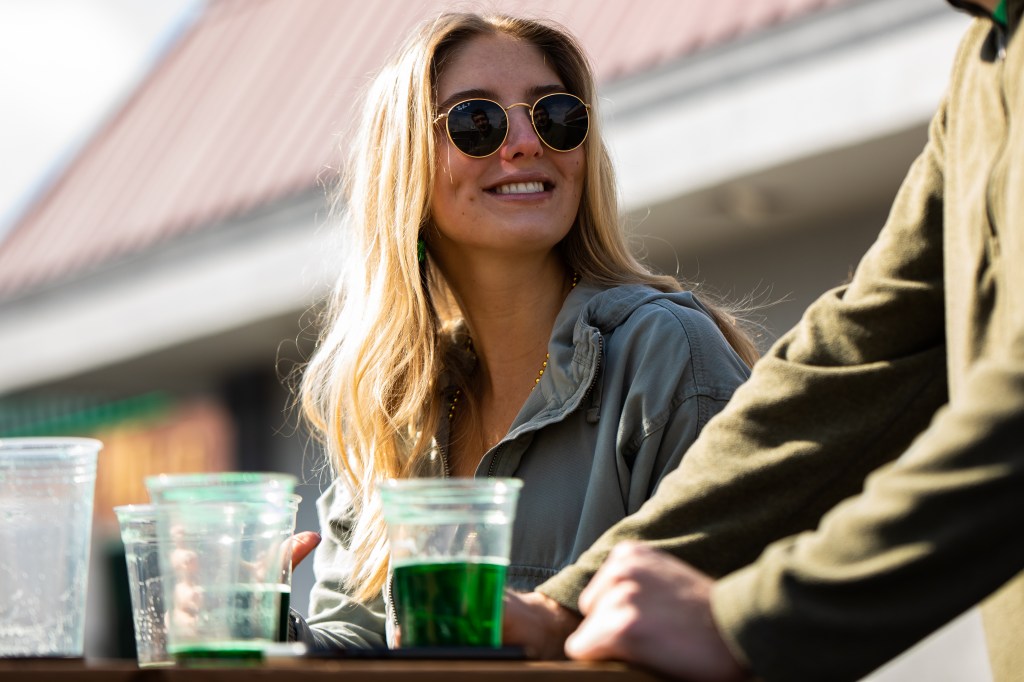
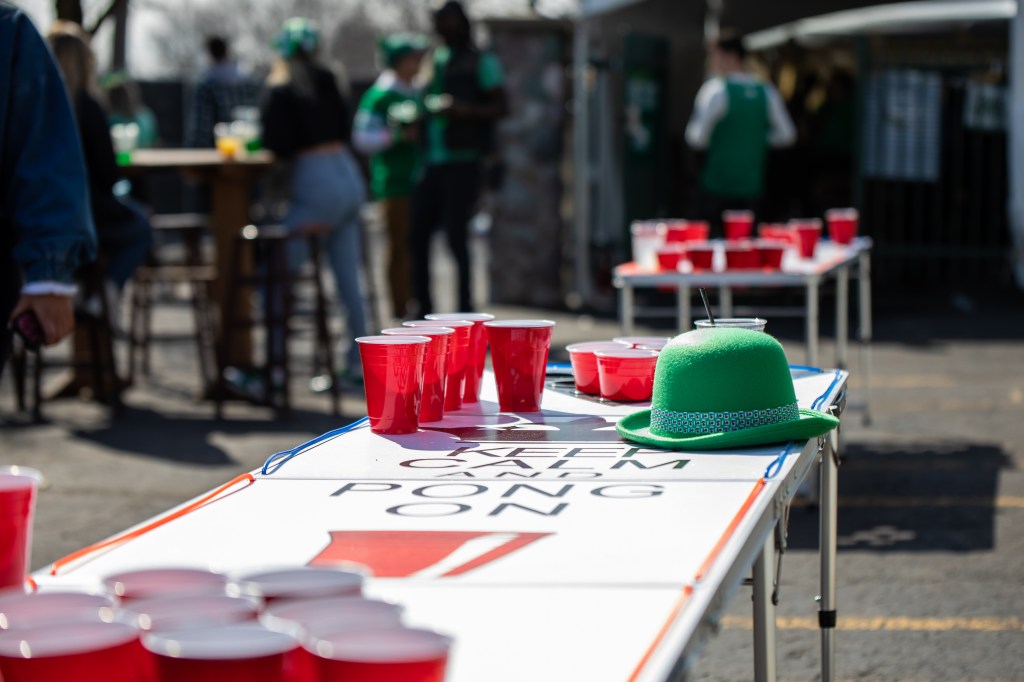
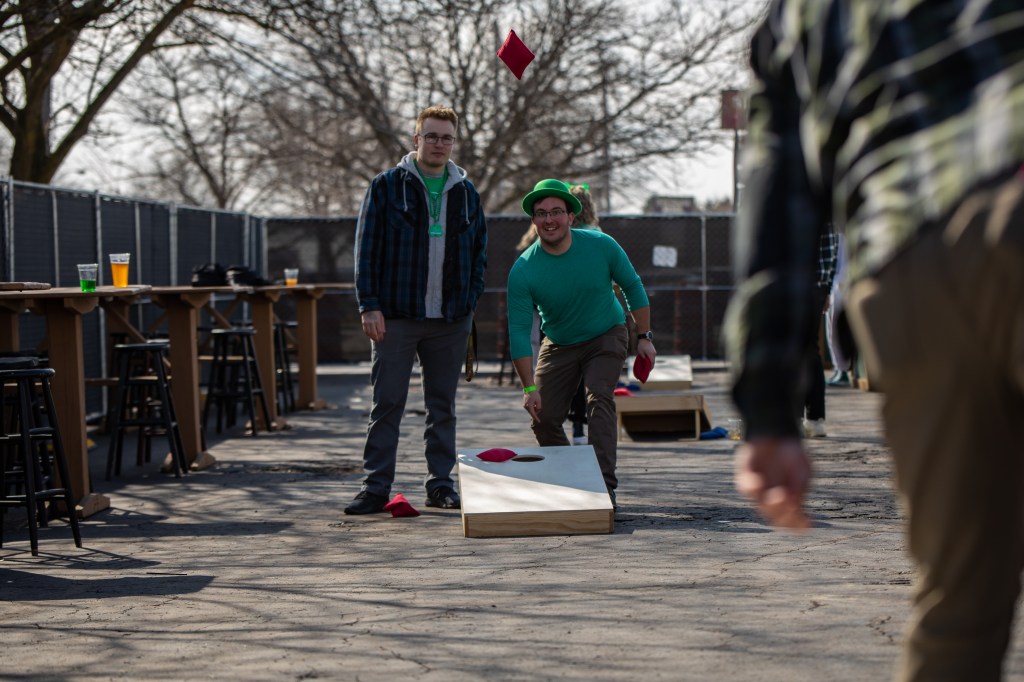
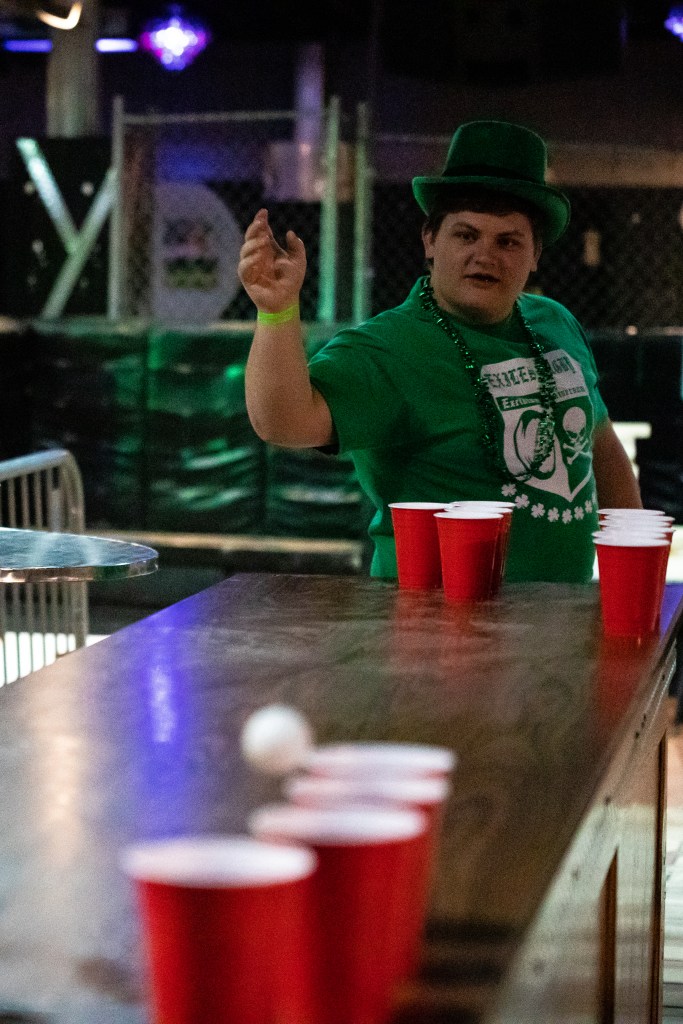
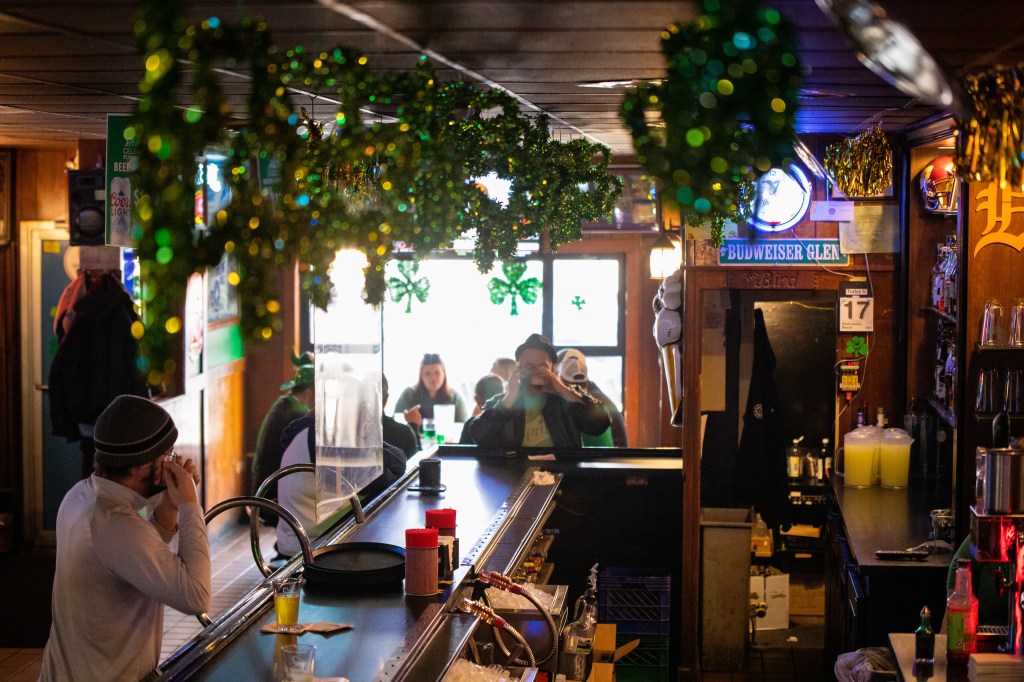
St. Patrick’s Day daily assignment

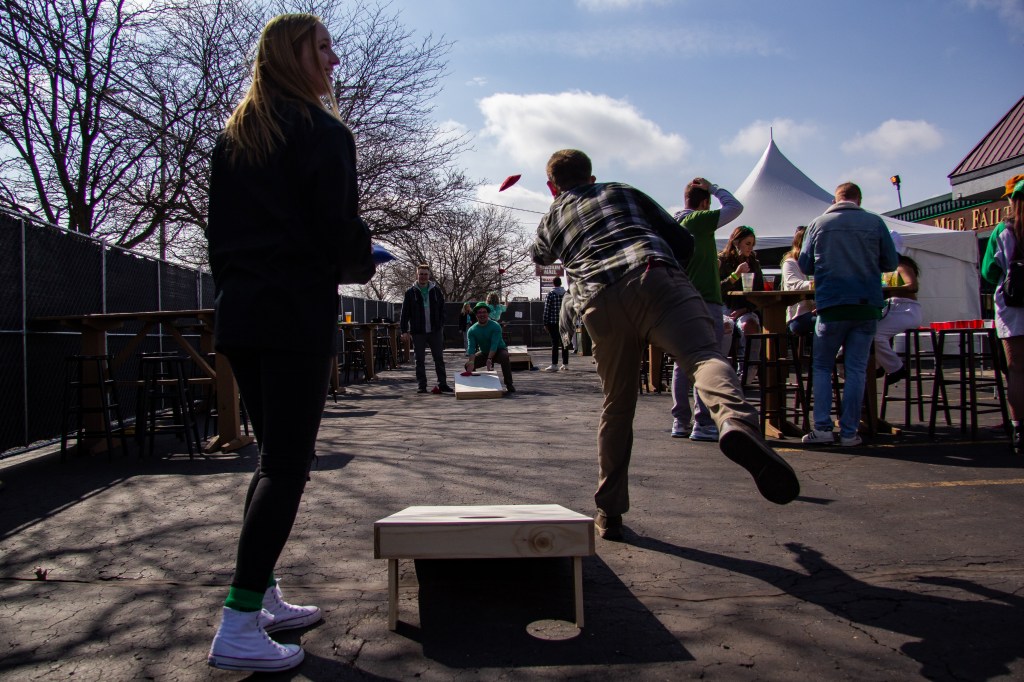
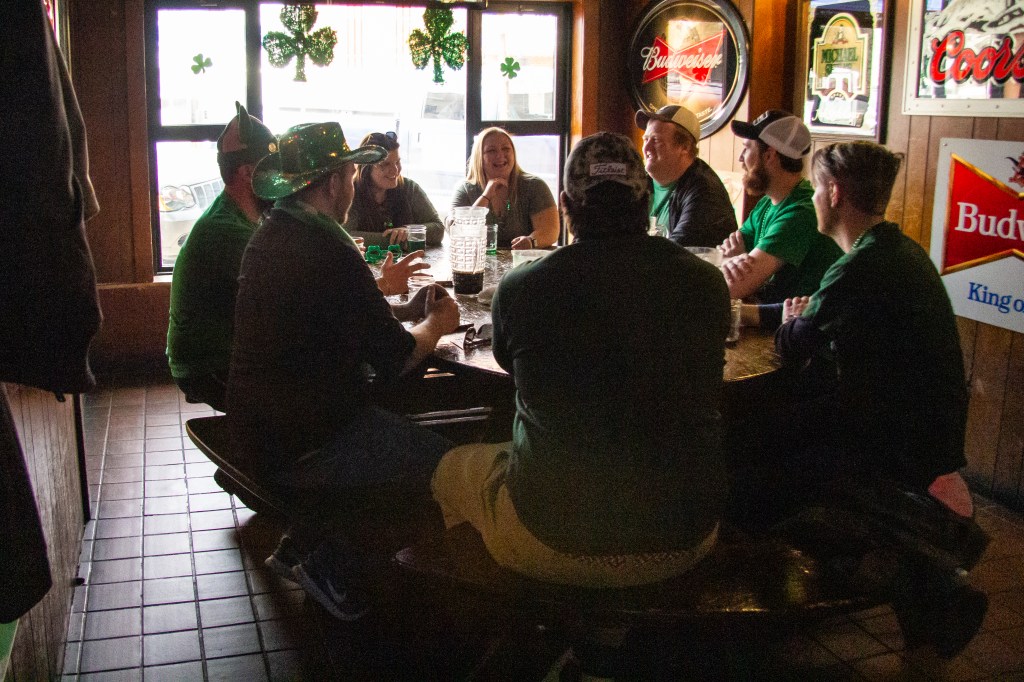
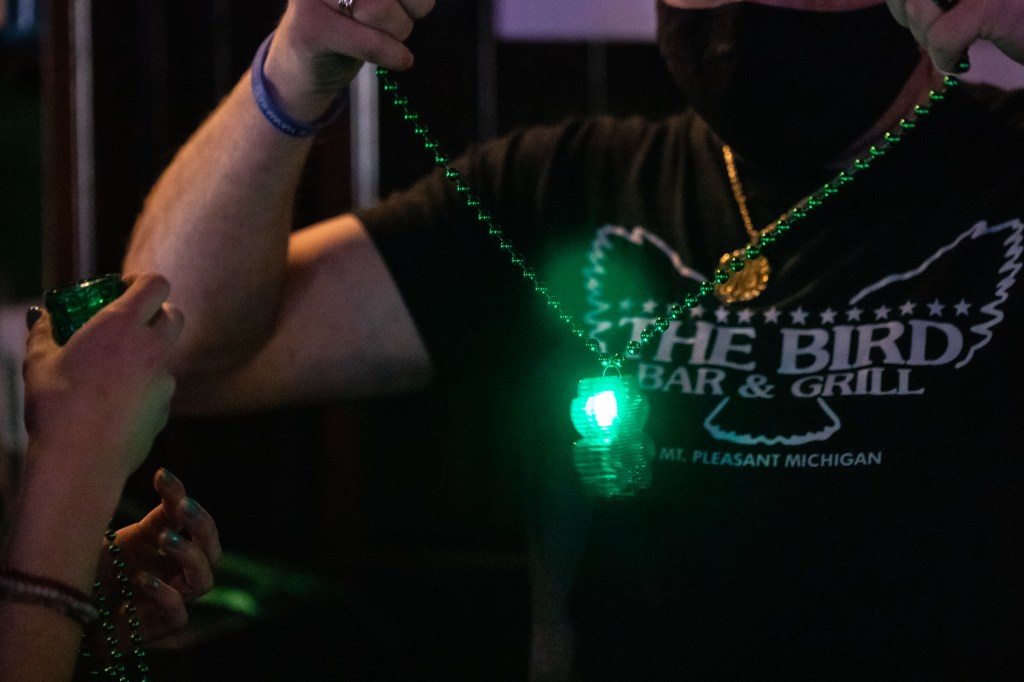
Scenes from St. Patrick’s day at The Bird Bar and Grill as well as O’Kelly’s Bar and Grill as patrons celebrate what has become a national drinking holiday.

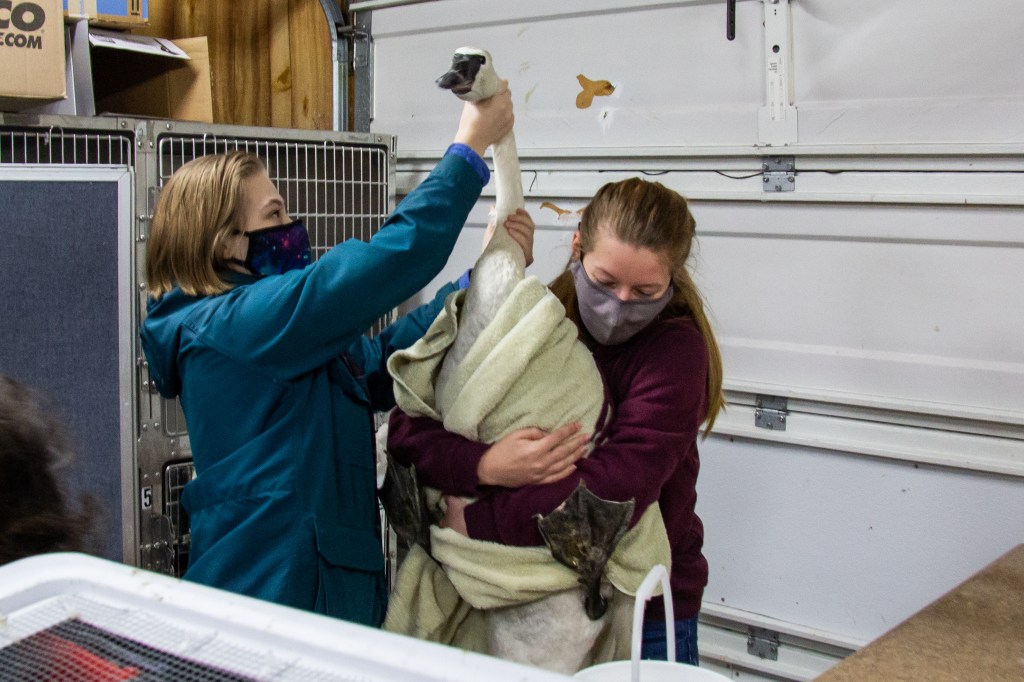
Marta Kendziorski, left, and Karly Steinberg, right, carry a trumpeter swan to a new enclosure to ready it for release, Mar. 21.
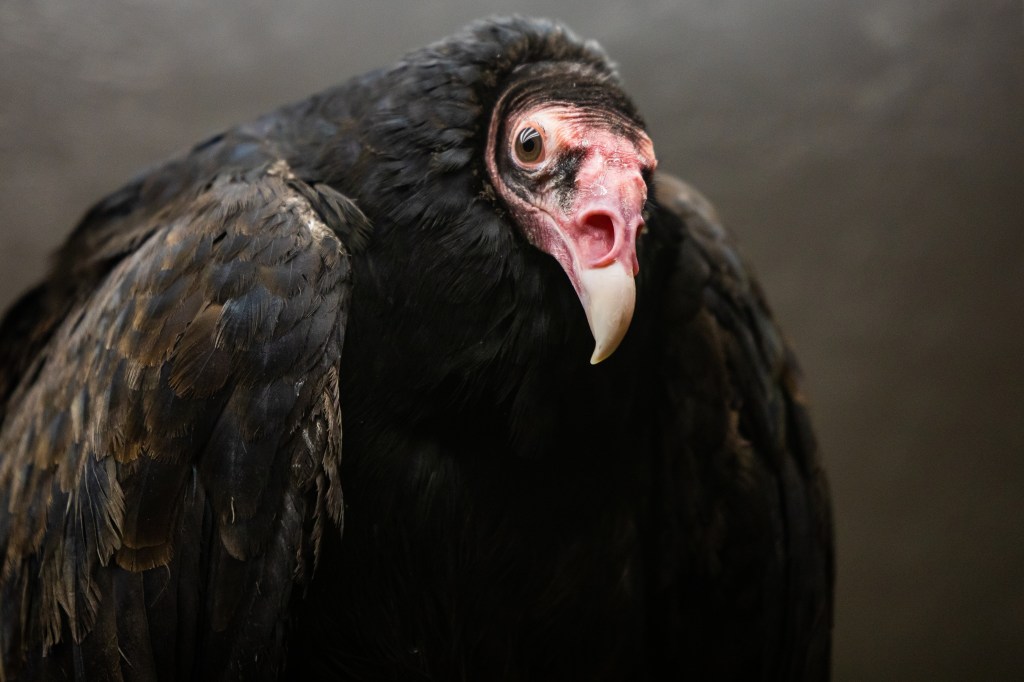
A turkey vulture sits upon an old garage door rail in the ARK nursery, Mar. 21.
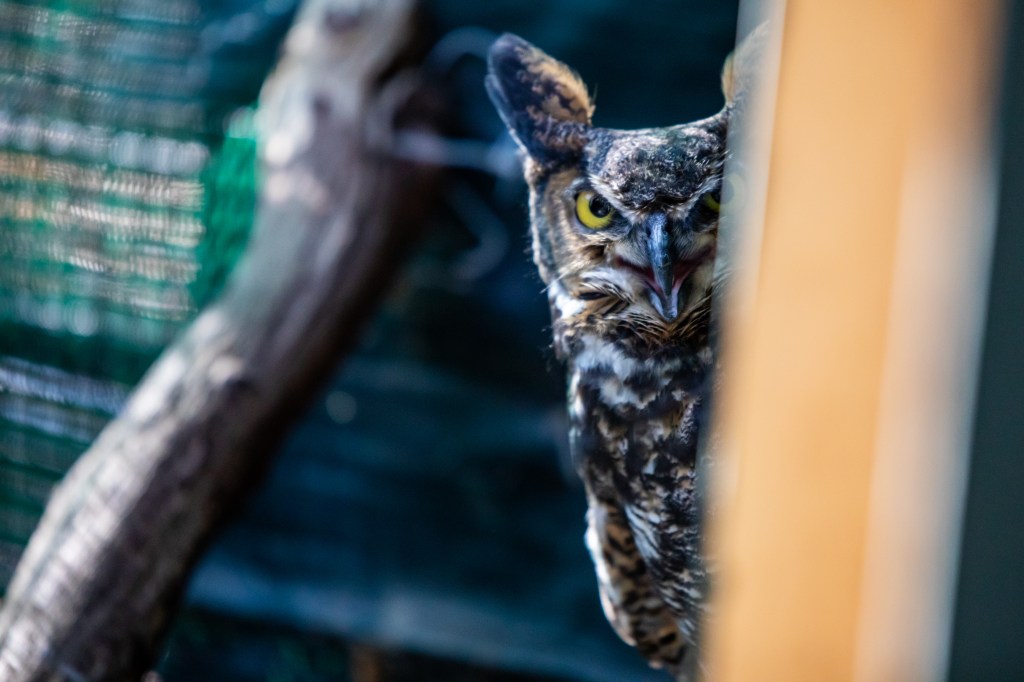
A great horned owl peeks around the corner of its enclosure at ARK, Mar. 21.
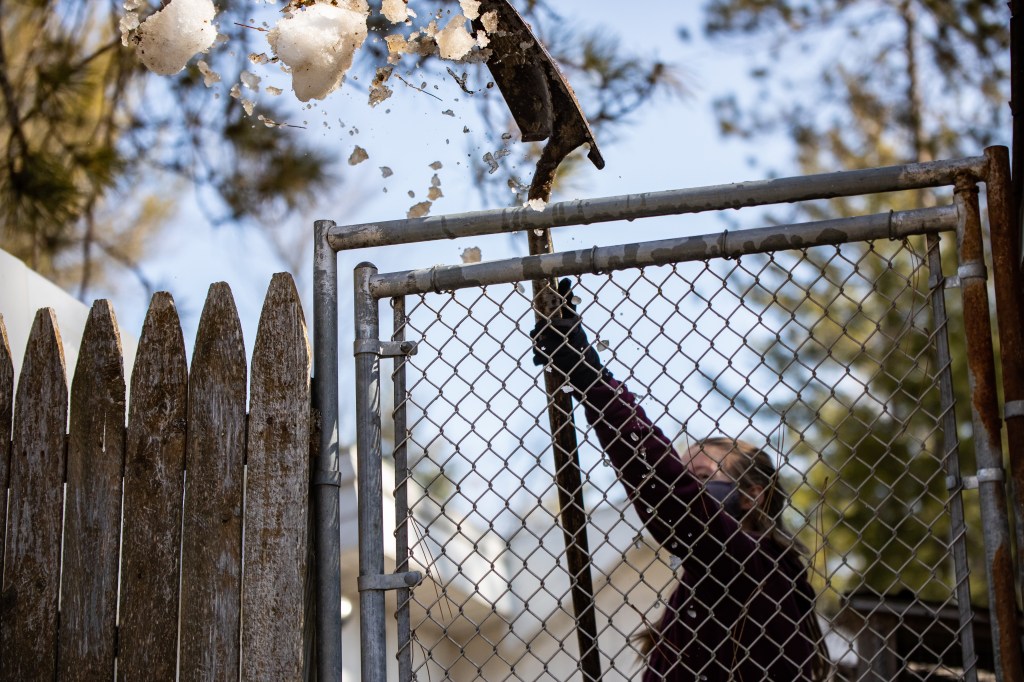
Karly Steinberg tosses a shovelful of snow and ice over a gate to clear it for opening, Mar. 21.
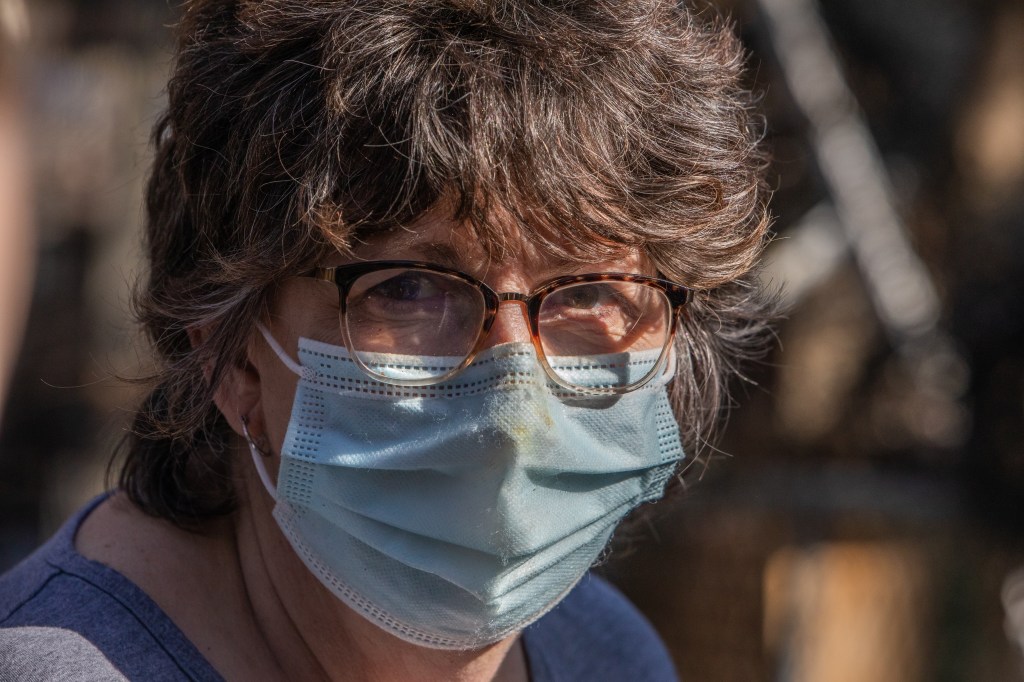
ARK’s medical director Karen Noggle glances up briefly between her duties, Mar. 21.
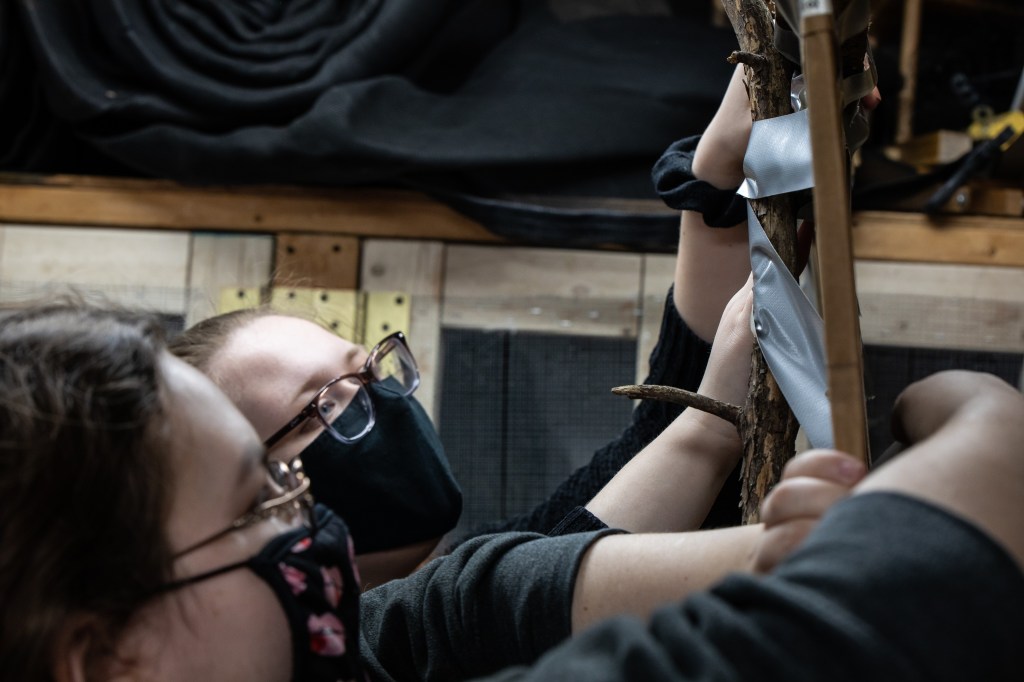
Students put up a makeshift barrier with cardboard, duct tape and large sticks for support, Mar. 21.
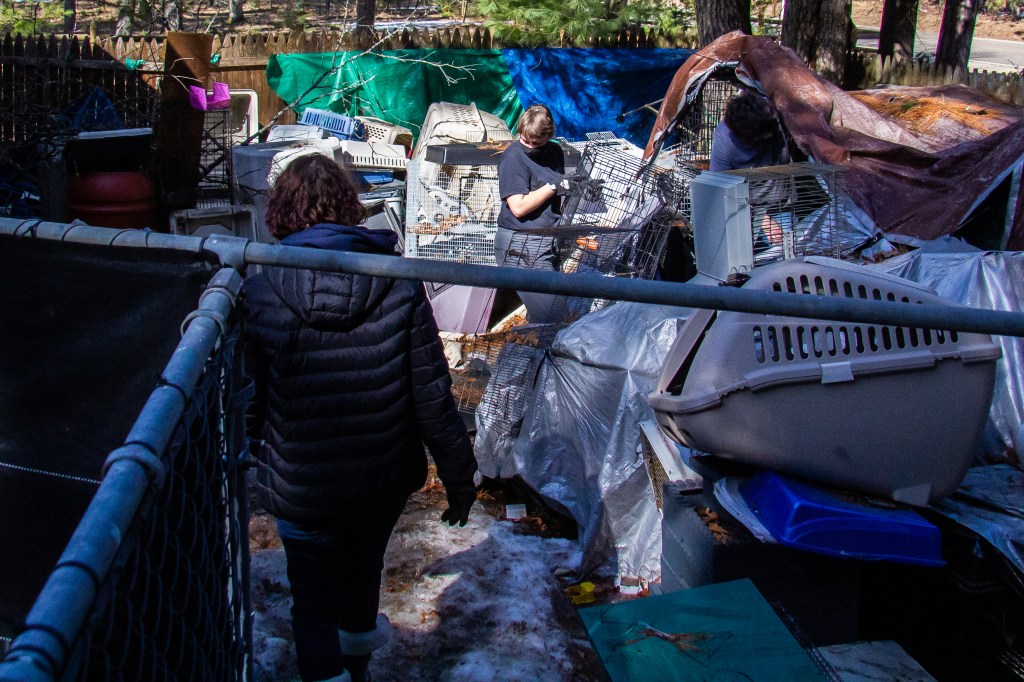
Students clear out Pen 1, which had been used as a storage area for transport cages, Mar. 21.
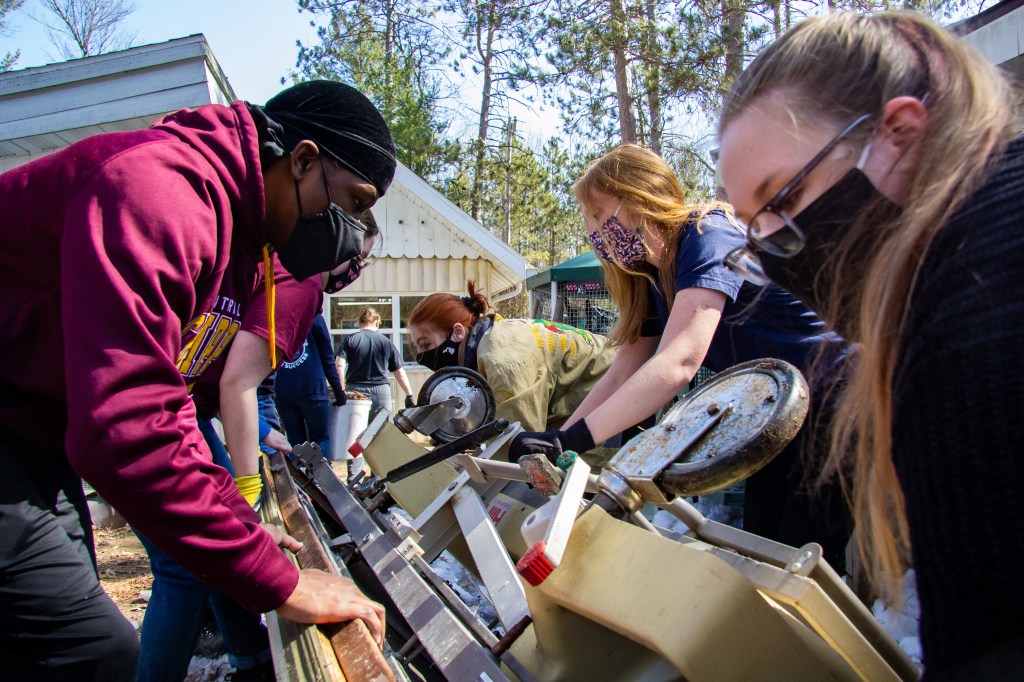
Students lift an old medical table that was buried in snow and ice at ARK, Mar. 21.
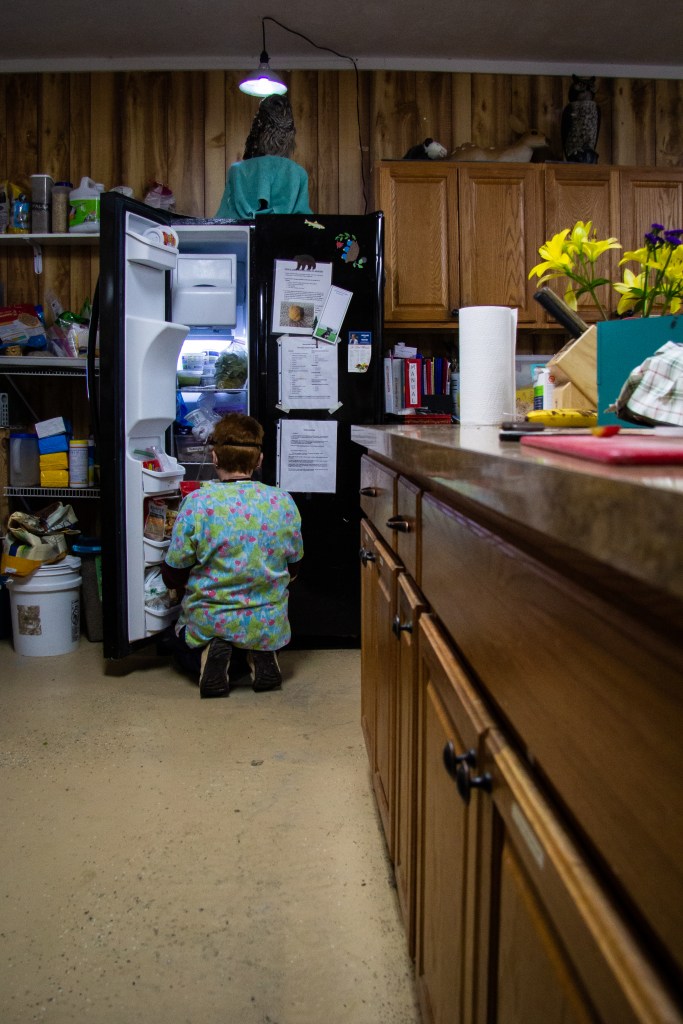
An ARK employee looks for animal food in the fridge, under the watchful eye of Bard the barred owl, Mar. 21.

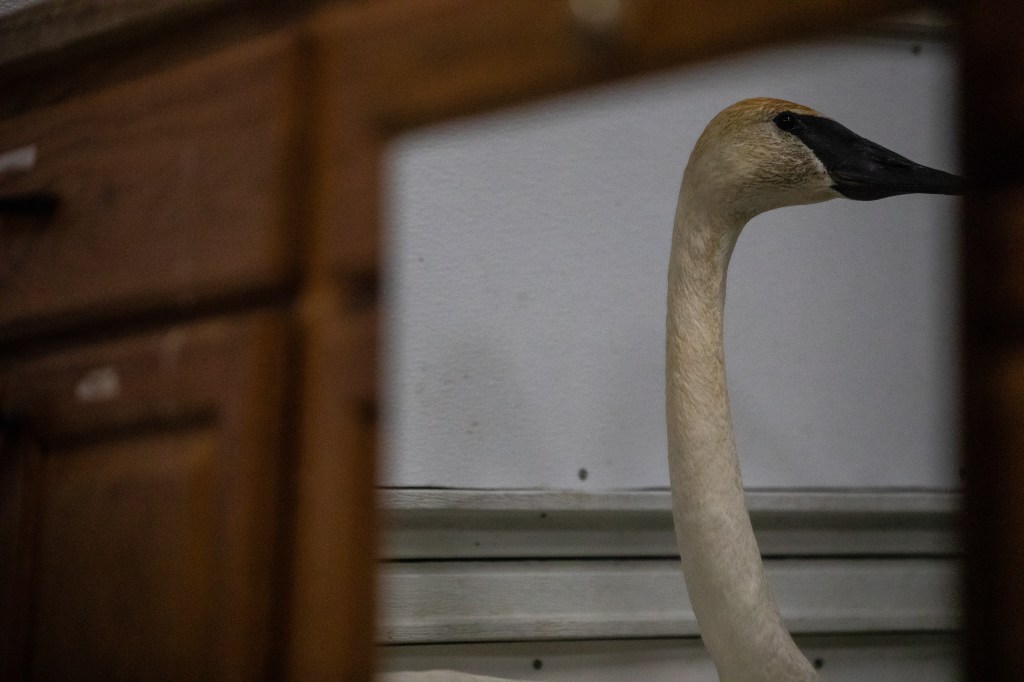
A trumpeter swan as pictured through a mirror in ARK’s nursery, Mar. 21.

Video Shooting Exercise

This video is a sort of testing of my abilities with a video camera as to the types of shots that are common to ensure that I’m comfortable with the whole process for my JRN 340 class. I shot several sparrows, nuthatches, and even one very grumpy common snapping turtle in a respectful manner.


I shot the majority of this exercise on a Canon 5D mk. IV, with secondary/wide angle shooting on a Canon 60D. I used a 150-600mm lens with a 1.4x teleconverter on a carbon fiber tripod, and on my secondary body used a 17-85mm ultrasonic lens.

I edited the whole thing on iMovie, my limitations were many. With such a heavy setup, it was difficult to create smooth movements. Not only that, but while shooting the snapping turtle, the wind was rather vicious and to shoot over its shoulder I had to extend the tripod a good deal so my camera was subject to the wind.

I learned a few things, such as why I don’t shoot video. It’s shaky, difficult to operate and edit, you can’t move for better angles while the video is shooting, it lacks much creativity that photography offers. On the other hand, it does offer a third dimension that you don’t get with photography – audio. With a picture, you can see it, sure. But you can also feel it, emotionally. And some video allows you to see, hear and feel all in the same shot. So naturally, combining all three in an artistic way should make something truly great.

CMU triumphs over Ball State in OT

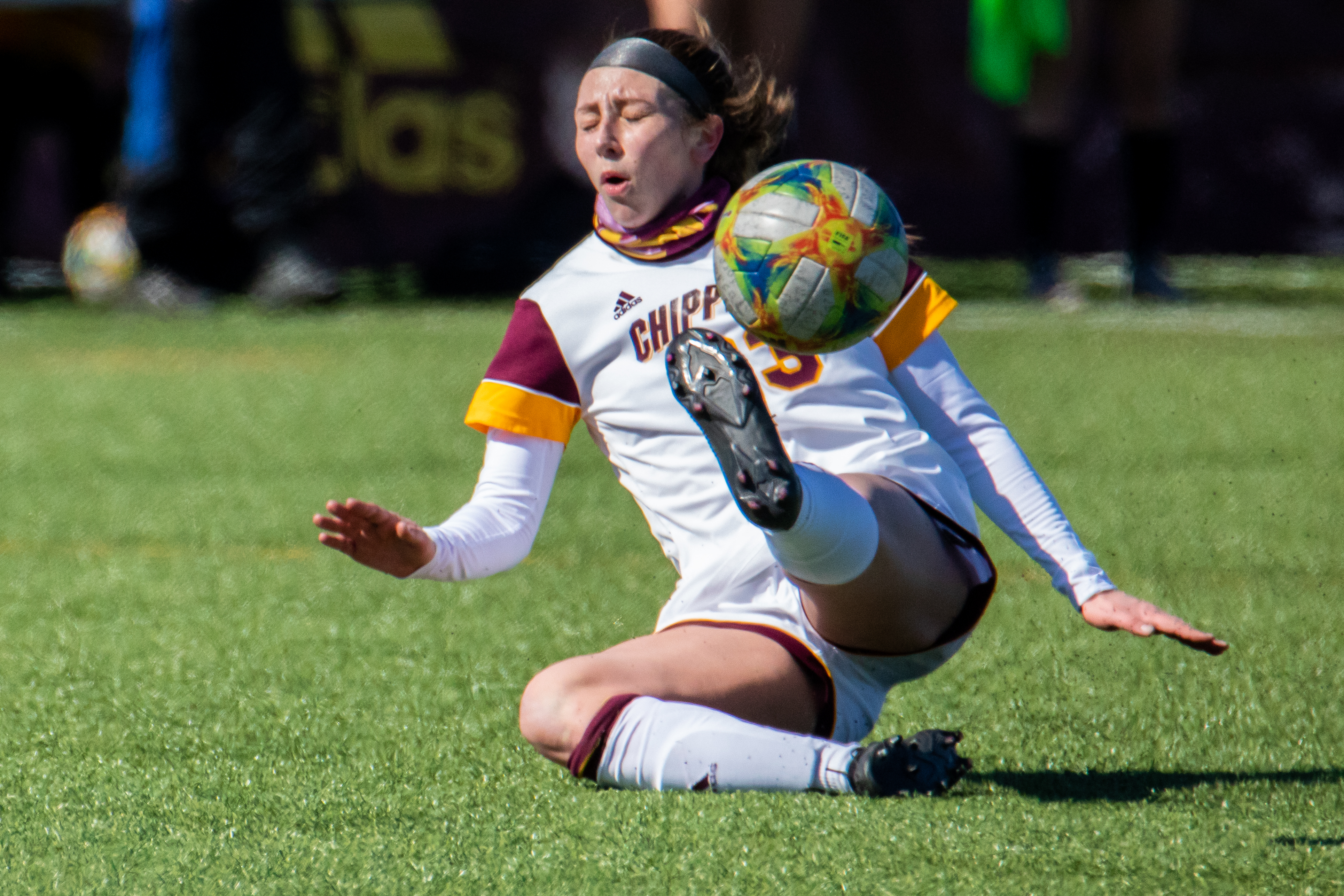
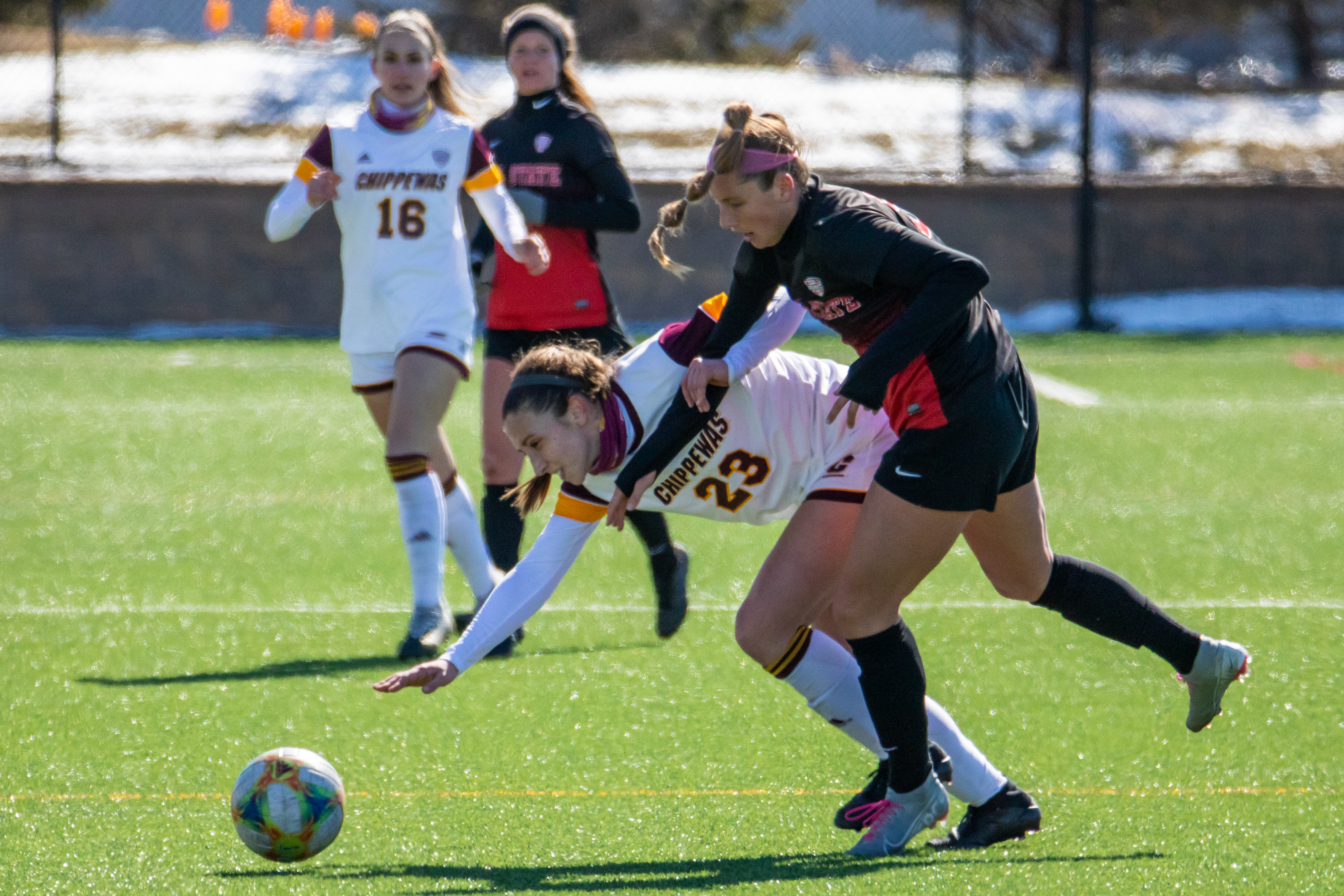
Wolverine Lake senior Amanda Britain slides into the ball to keep it on the opponent’s side of the field, Sunday, Mar. 7, at the CMU Lacrosse/ Soccer Complex.
Wolverine Lake senior Amanda Britain is checked off the ball against Ball State, Mar. 7.
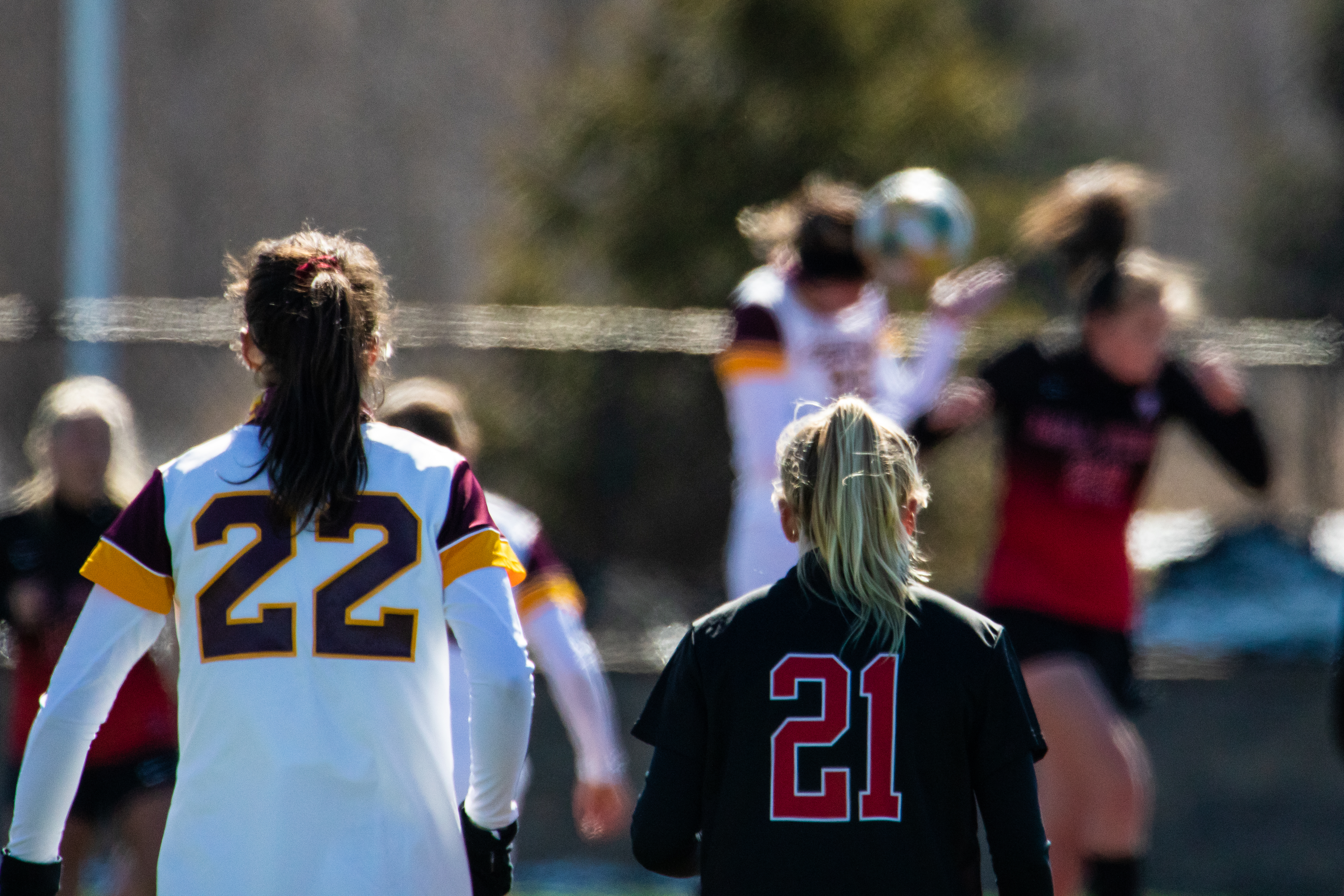
Ada senior Natalie Belsito jostles her opponent for positioning as her teammate gets a header in the background, Mar. 7.
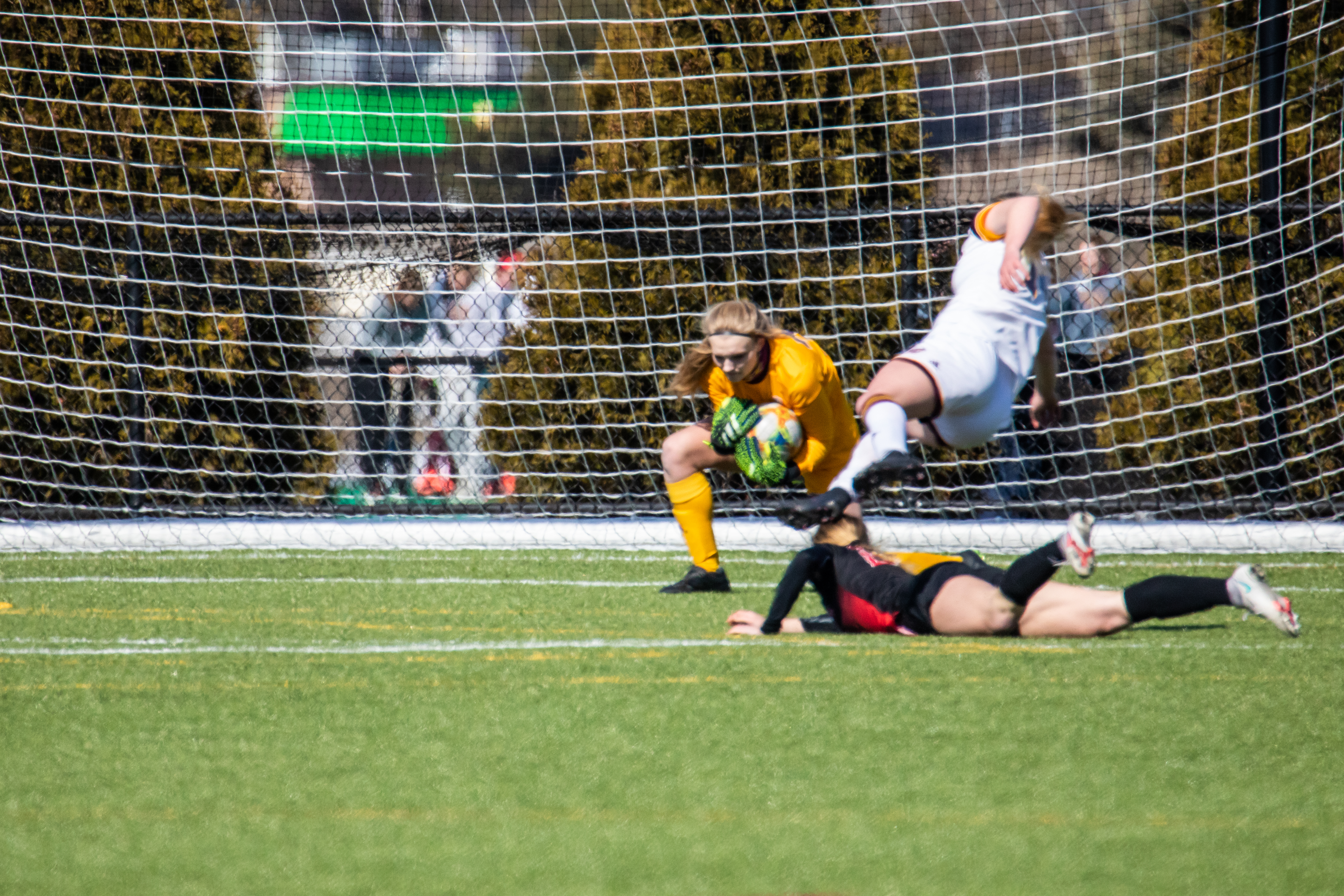
Oak Hills, Calif. freshman Rachel Logue (right) is knocked down defending her goal where Royal Oak freshman Allison LaPoint (left) scoops up the shot, Sunday, Mar. 7.
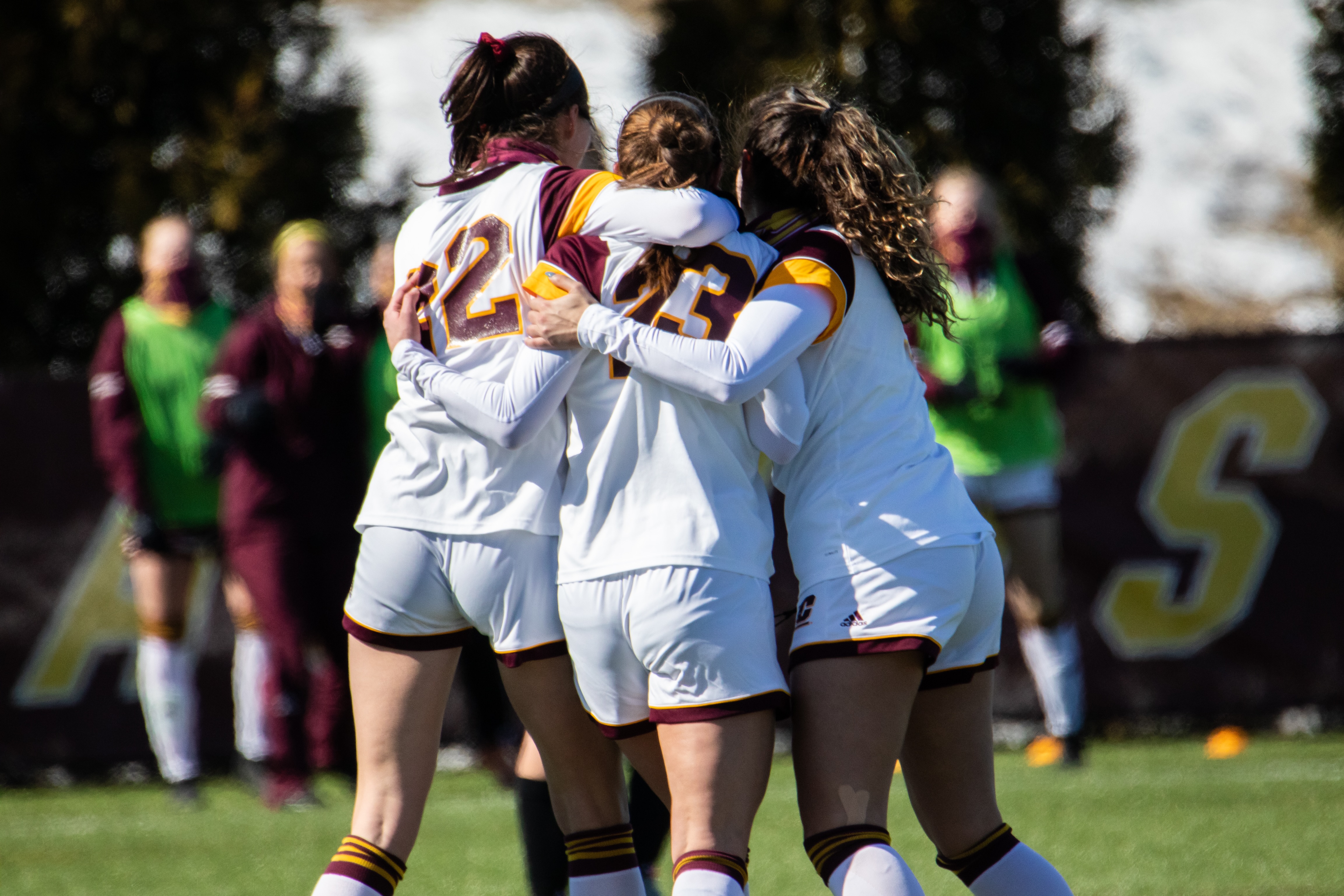
The team celebrates a first-half goal against Ball State, Sunday, Mar. 7.

The seconds ticked away in terse anticipation as CMU and Ball State grappled for the upper-hand in overtime.

Following a shot from teammate Lauren Debeau, Natalie Belsito found the ball in front of her and an open goal just behind.

Scoring with only 13 seconds remaining in the first overtime period, the senior Belsito pushed her team to their first win of the season at the CMU outdoor Soccer/Lacrosse Complex Sunday, Mar. 7.

Ball State, which had been picked to finish first in the MAC by the coaches in preseason rankings, was the heavy favorite over CMU, who was picked to finish fourth.

The team will next travel to Toledo, Ohio, to face off against the University of Toledo, Friday, Mar. 12 at 2 p.m.


Shooting sports this semester has come with its own set of challenges. Shooting from the stands, almost every shot having a downward angle and also having to shoot from so far away – the challenges as far as photography have been many.

But as COVID loosens its hold and the vaccinations start rolling in, this will all be a distant nightmare. And, hopefully, we will all be stronger for it.

That said, the game was very straight-forward to shoot. Being so far away and confined to really only one angle, I missed many shots. However, persistence often allows you to pull through.

This project is nothing I haven’t done a dozen times or more, even this year alone. So not a difficult project, at least I hope.

JRN. 521 Personal Vision Video

This video highlights my passions, my goals, and my work. As an avid outdoorsman and nature photographer, I wish to bring light to the natural world before it falls apart around us. We live on a beautiful planet – it is my goal that no human being will be able to take that for granted after viewing any of my images, or any that I am yet to take.

Music: cover of Galapagos by the Smashing Pumpkins

Playing the Blues

As we all know, the pandemic has been very difficult for us all. From not seeing loved ones to finding new jobs. From applying for unemployment to pleading with landlords, praying they won’t evict; we have all seen struggles both inwardly and out.

Two local blues guitarists share their struggles and their own personal battles, as they fight to keep the music alive in themselves amidst the immense stress that this pandemic has wrought.

· Playing The Blues

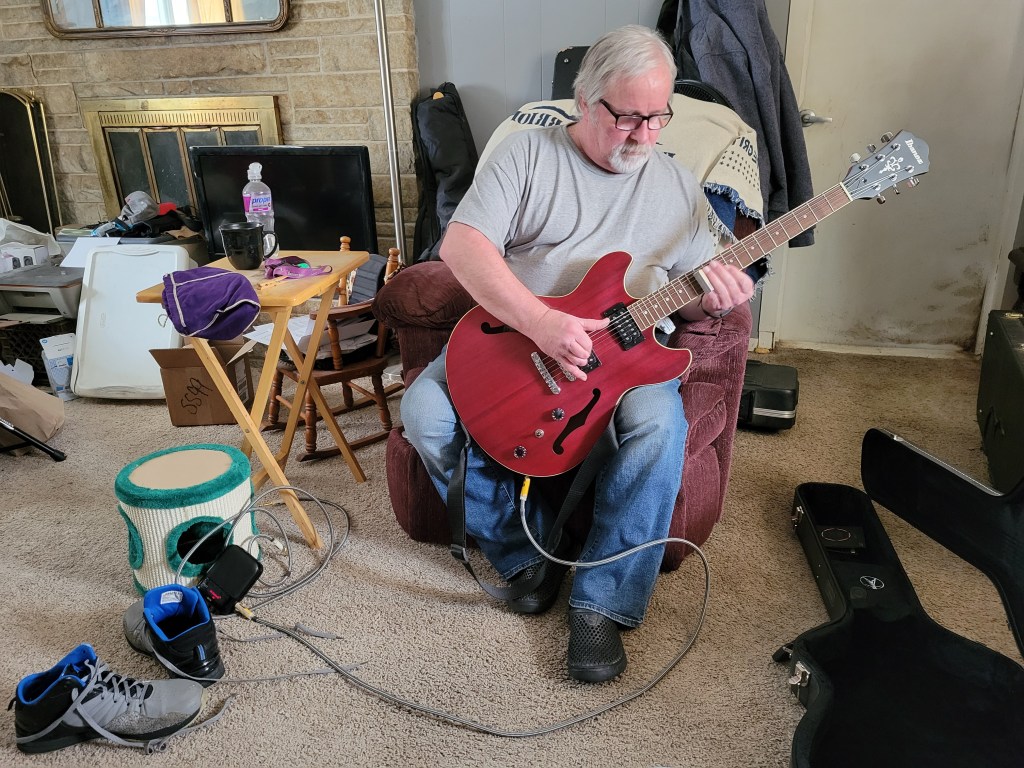
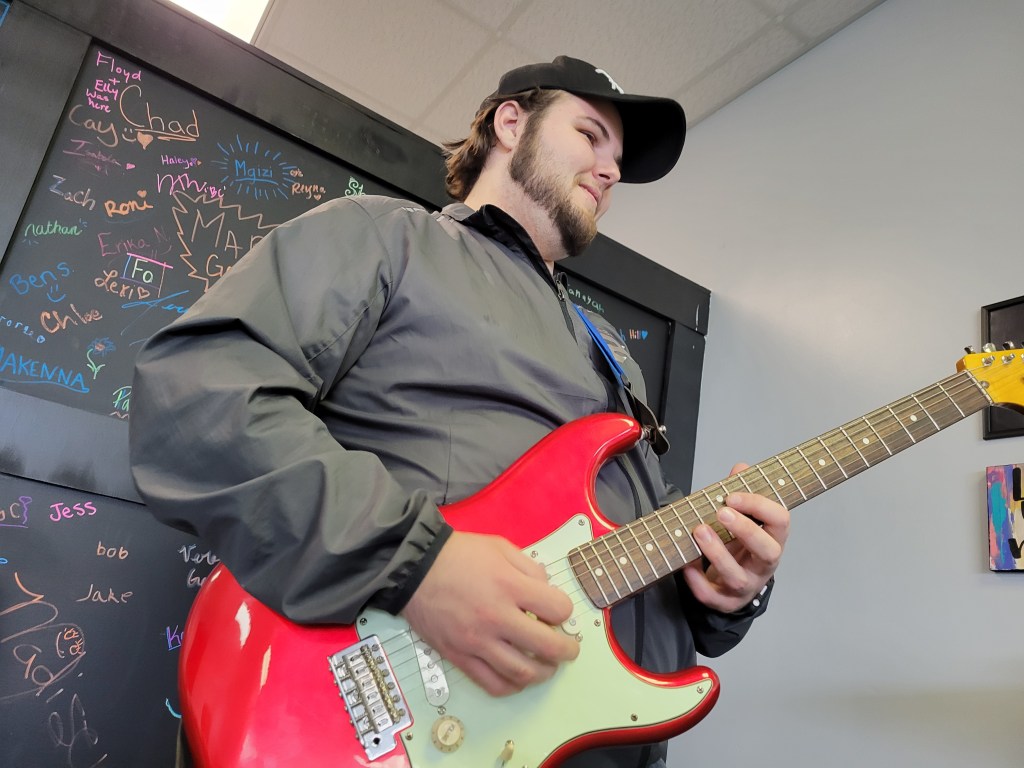
Jack Parks (left) and Jacob Bowen (right) were both interviewed on the same day – Sunday, Feb. 21. Jack was interviewed in the morning around noon in his home near Midland. A quaint, quiet household with the Michigan basketball game muted in the background, we often would have to cut the interview to watch a great play as Michigan would go on to triumph against Ohio State. That aside, Jacob was interviewed in his place of business after-hours, where he usually plays guitar so as to not acquire any more noise complaints from his apartment complex.

The Nat sound I used was Jack plugging in his guitar into his portable amplifier for the first time. His beautiful hollow-body Ibanez provided ample rich sounds for that clip and the solo that he played for the remainder of much of my Nat sound. Then, Jake played a rendition of Jimi Hendrix’s Wait ‘Til Tomorrow for the Nat sound that would underscore his interview.

I gathered the sounds before the interview took place, as they told me when they expected to be practicing so I could arrive at that time. When I arrived at Jack’s residence, he was just sitting down to plug in his guitar so I had to be quick with my recorder. Jake’s interview, on the other hand, was plagued by the noises of people cleaning up for the closing of the store in the background so there was little I could use of his interview save a few sound bites and his impressive guitar skills.

I recorded the audio on my Galaxy S21 (which has a rather impressive microphone for a cellphone) and I had very little issue with the quality of the recordings. As for editing programs, I went through about 5 or 6 before I decided on EZAudioCut. While it seemed a little sketchy at first (I had never heard of it before), it got the job done.

Finding my interviewees was actually the easy part: it was one of those things where you know a guy who knows a guy, who heard a guy play – and then I simply reached out to these two gentlemen on Facebook Messenger. Being a guitarist myself helped immensely as I already travel these circles of people to find new guitarists to play and learn with.

If I could change one thing about this story, it would be to collect more diverse Nat audio. While I know I have the two separate guitar solos, which are indeed both beautiful in their own rite, I believe to really ground the listener in these stories I would need more audio from these two gentlemen’s daily lives. But that is altogether a much lengthier story than what was allowed here. I guess another thing would be conducting Jacob’s interview somewhere less noisy, but I’m not sure with COVID that that would’ve been possible.

So all-in-all, I believe this wasn’t a bad first take at an audio story.