A snapshot of the hard land and the harder people that live on it.
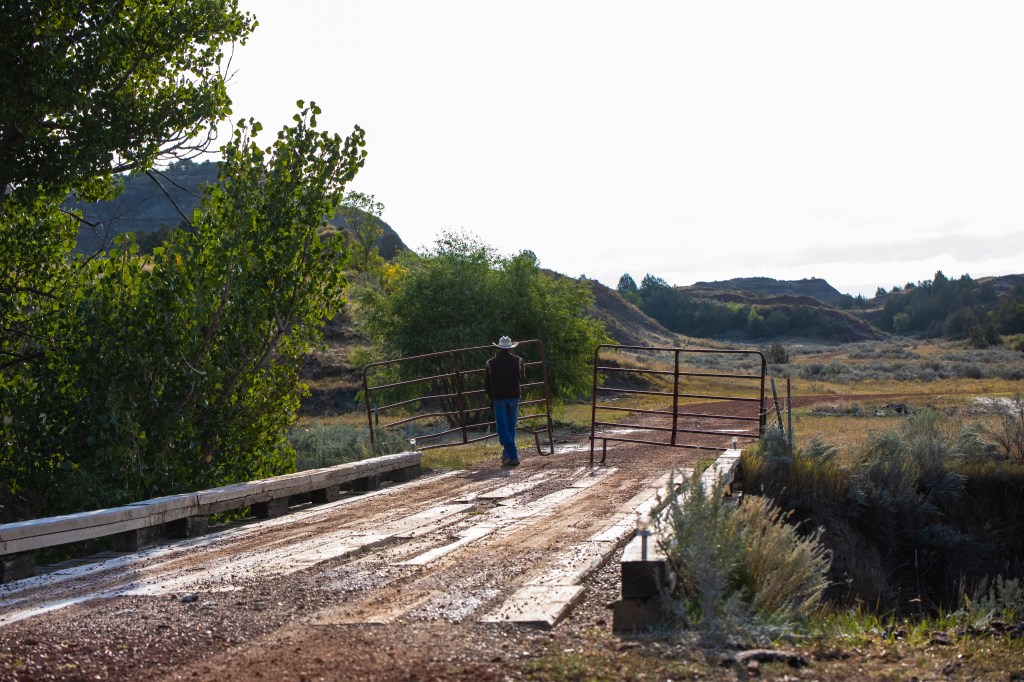
Monty Carson opens the gate one early morning across Beicegel Creek to his cattle near Grassy Butte, ND, Tuesday, Sept. 8, 2020. Monty has been living on the ranch all of his life, as it’s been in their family since 1950. 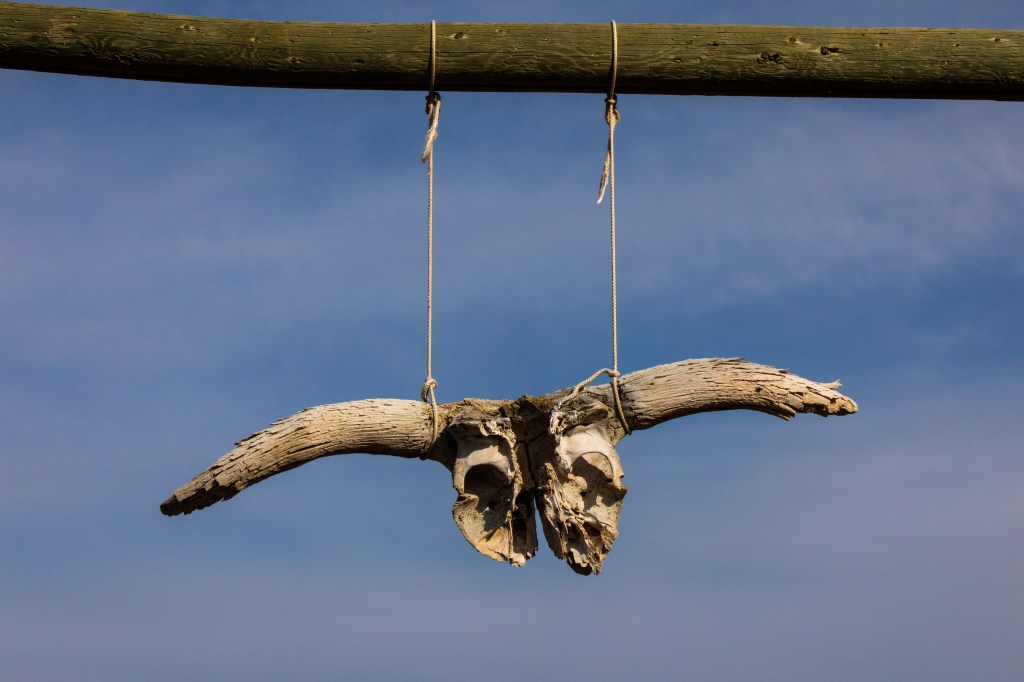
An old skull hangs from a crossbar above the Carson arena Friday, Sept. 11, 2020. 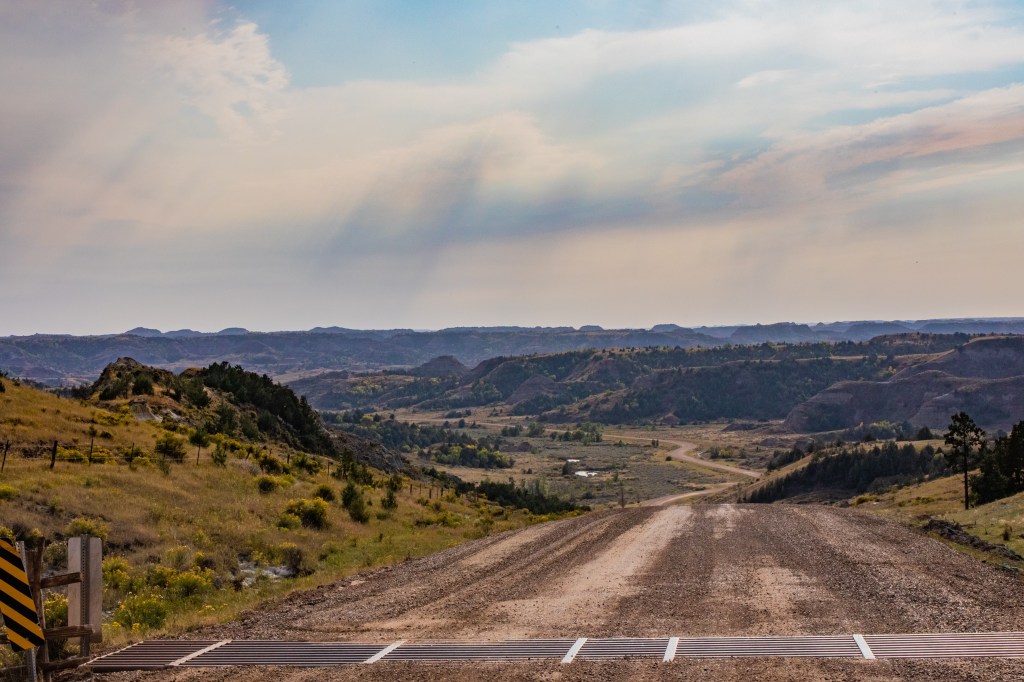
The view of Beicegel Creek valley as I entered the Carson Ranch Friday, Sept. 11, 2020. The Carson’s own about 4,000 acres and lease a few thousand more from the United States government. 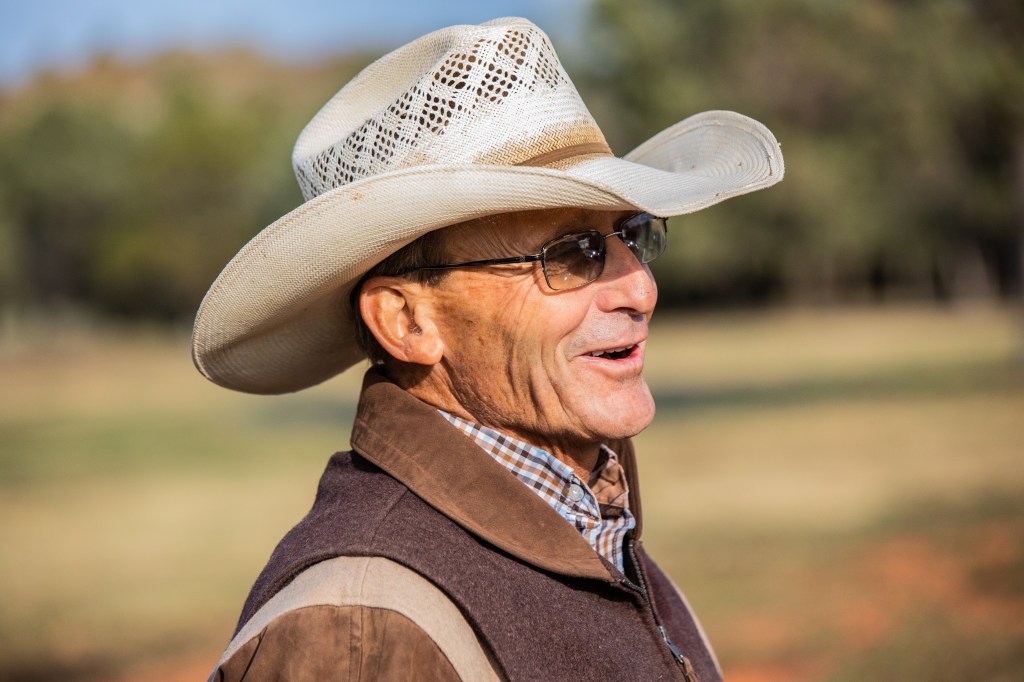
Monty Carson laughs at the camera pointed at him Tuesday, Sept. 8, 2020. “You’re gonna need a few thousand to get a good one of me,” he said. 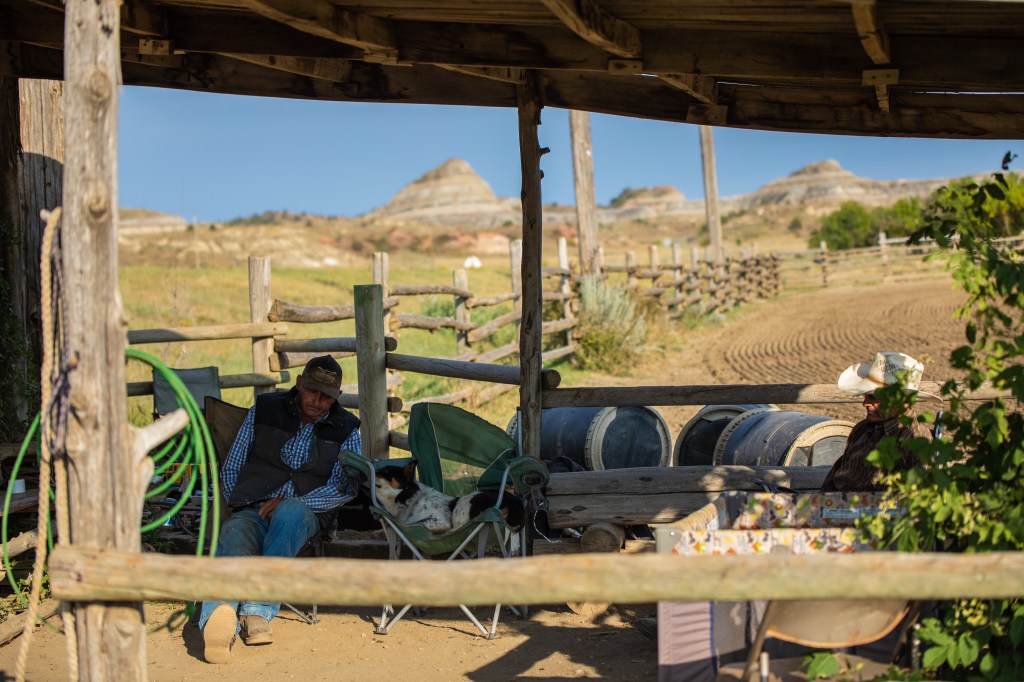
Monty Carson (right) and his brother Ron Carson (left) relax in “the garden” after a hard hour of roping practice. Ron and Monty are co-owners of the Carson ranch. 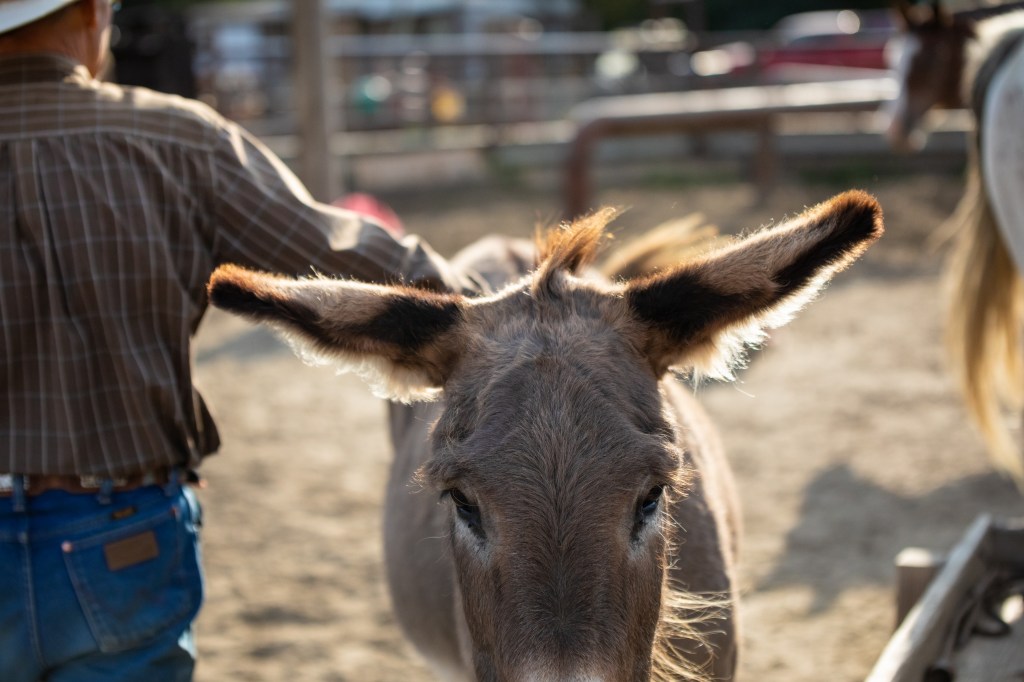
Monty pets his donkey, Moses, after a long day of working with calves on the Carson ranch Friday, Sept. 11, 2020. Moses is 20 years old, and while most donkeys are kept on the pasture to deter predators, Moses, Monty lamented, “is really only good for eating treats.” 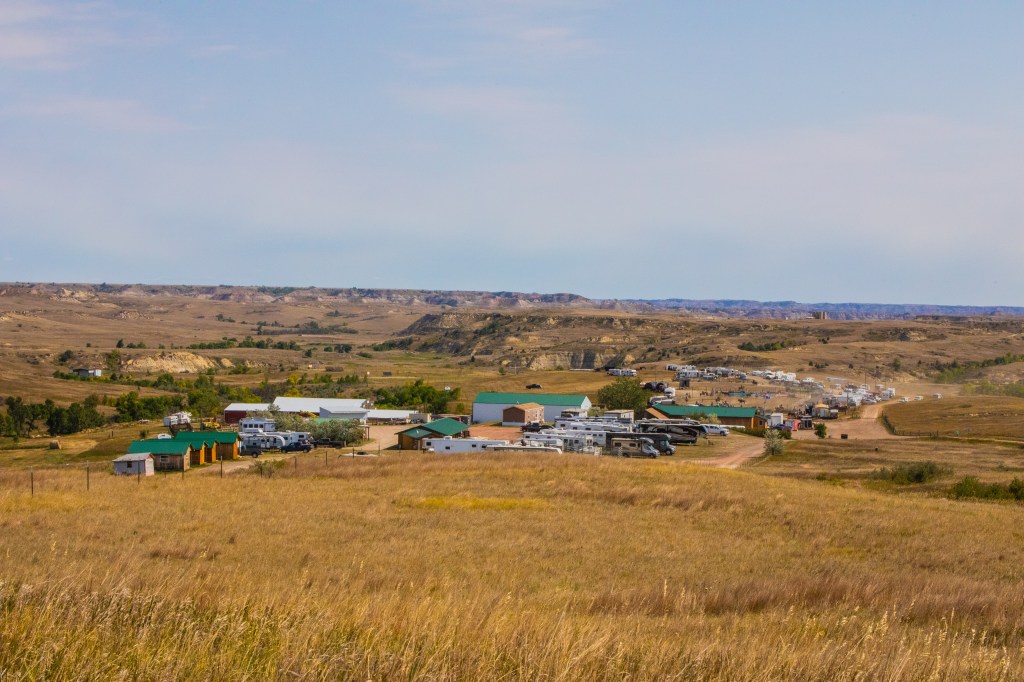
The view from above the Buffalo Gap Guest Ranch where the Carsons often put on calf roping events Sunday, Sept. 6, 2020. “We put on around a dozen events a season and send our calves to around 20 more,” said Monty. 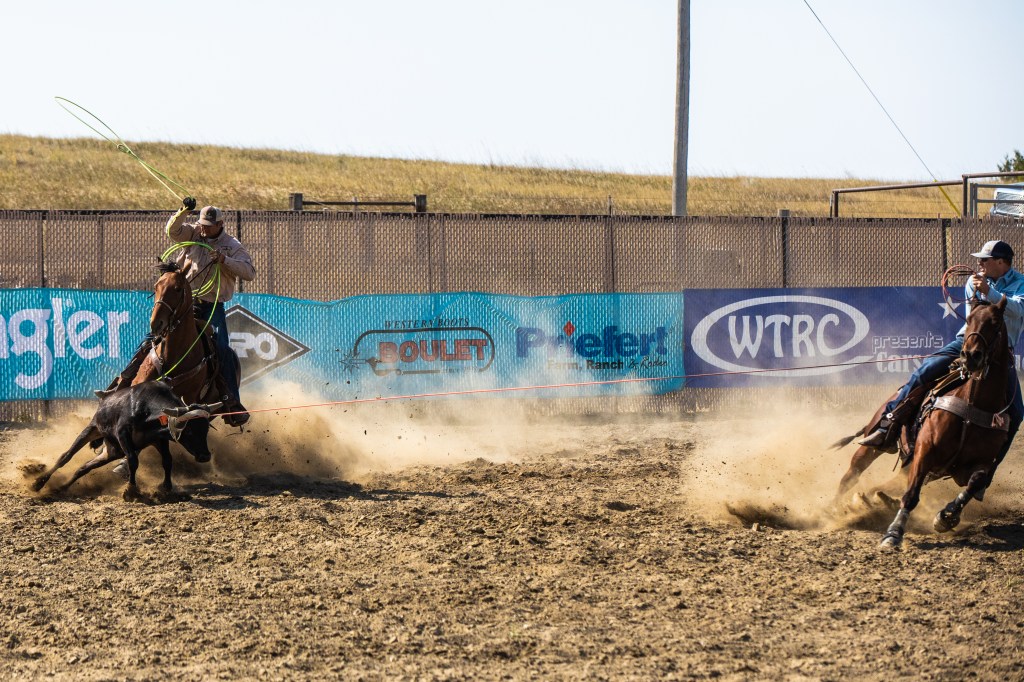
Lane Carson (right) pulls a steer towards him so that his partner can rope its feet during a team roping event at the Buffalo Gap Guest Ranch Sunday, Sept. 6, 2020. Team roping requires participants to work together to to immobilize a wily steer, and the time it takes to do so will affect your score. 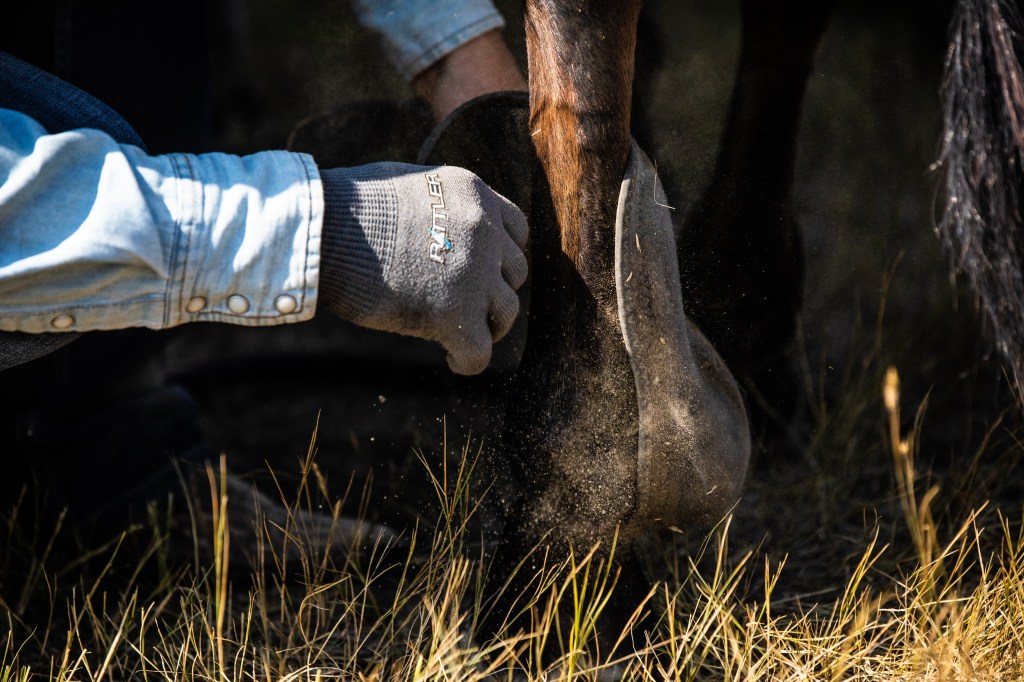
Lane removes his horses boots after his roping events are completed at Buffalo Gap Sunday, Sept. 6, 2020. A horses boots help protect their ankles from being kicked by their own feet when maneuvering at high speeds. 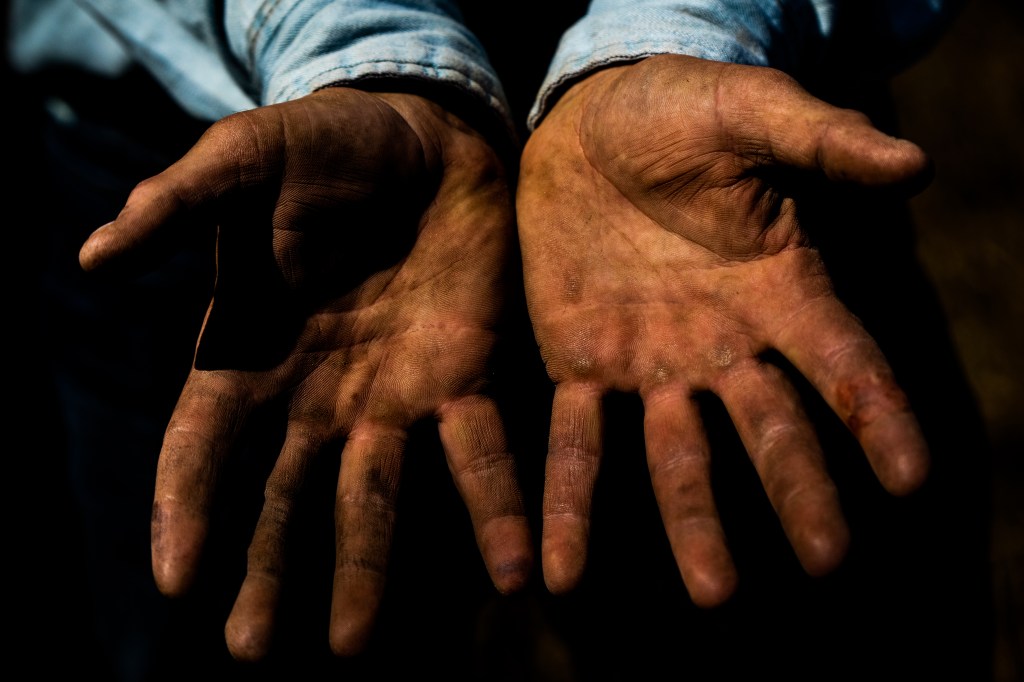
A cowboy’s hands tell no lies. This portrait of Lane Carson’s hands Sunday, Sept. 6, 2020, is a testament to that fact. 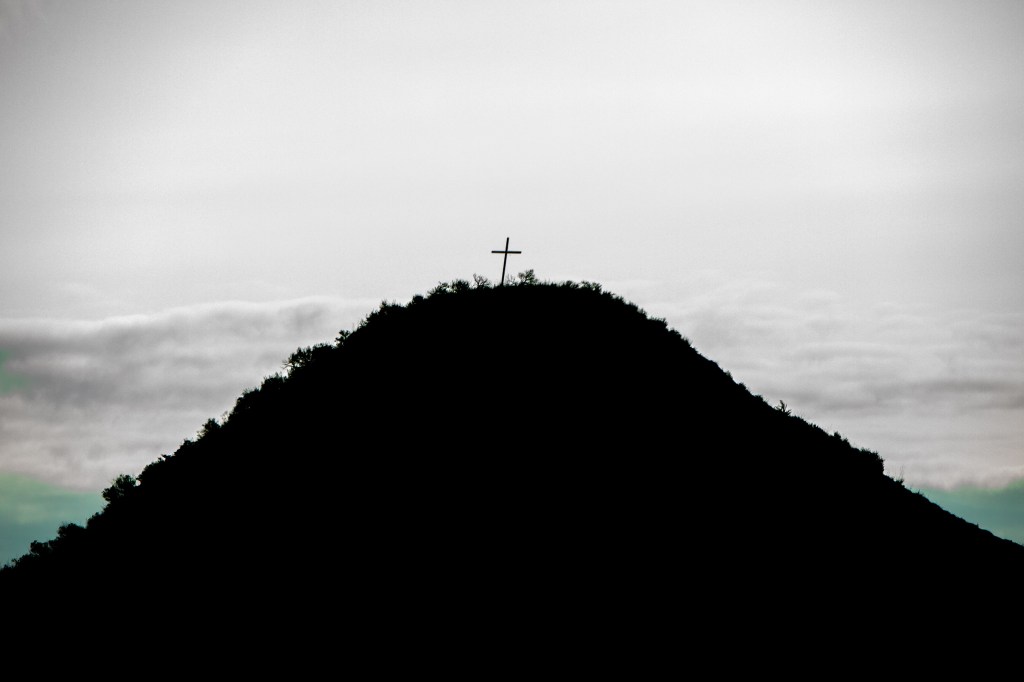
An old cross adorns one of the many hills on the 15 mile track to the Carson ranch Wednesday, Sept. 9, 2020.
The sun lazily climbs the distant hills, painting its pastel oranges and yellows across the rugged brown cliffs and scrub brush that dot the landscape. The air is crisp and the wind biting, a sharp frost crunches beneath my feet as I make my way to the downed fence that Monty Carson has already been working on for two hours now. Where the Carson ranch is located, there aren’t many fences. All of the cattle are branded with their flying-C logo just to make sure that what is theirs stays theirs.
Raising the fencepost driver above his bleached straw hat, he pounds it into the wooden pole repeatedly, driving it down into the hard rocky earth. The ranch sits on 4,000 acres of owned land and a few thousand more leased from the U.S. government. “There are no farmers here,” says Monty “the badlands make it tough to do just about anything.”
The Carsons have been ranching in the Beicegel Creek valley since 1950 and the now Co-owners, Ron and Monty, their whole lives. They raise cattle that they pasture on their massive expanse of land, and they use their steer calves for rodeo events. They also own a rodeo production company, Carson Productions, that they use to put on around a dozen events per season.
“It’s honest livin’, ranching like we do. Or so I’ve been told. Don’t know much else,” Monty said, looking toward the sunrise.
The ranchers in North Dakota have a culture to them: they are a hard, resilient, and distant in terms of relationships and actual distance from other people. To get in with them, I first had to find someone in the city who had family on a ranch. My ranch family was very kind, though COVID kept us distant as well. Aside from hiking their property and remembering to pick my jaw up off the floor, I spent my time watching them ride, feed cattle, and just talk about good ‘ole country livin’.
 Drew Travis Photography